Chocolate & delicacies
The world of fine chocolate and delicacies represents far more than simple confectionery. It’s a sophisticated craft where sensory awareness, technical precision, and ingredient quality converge to create memorable experiences. Whether you’re selecting a luxury gift box, attempting your first batch of pralines, or seeking to refine your palate, understanding the fundamental principles behind these artisan creations transforms appreciation into genuine expertise.
This comprehensive exploration addresses the core dimensions of chocolate craftsmanship: from developing the sensory skills that distinguish exceptional chocolates, to mastering traditional techniques like praline-making and understanding why ingredient origin matters profoundly. Each element contributes to the complete picture of what makes chocolate and confections truly remarkable.
Developing Your Chocolate Tasting Skills
Appreciating fine chocolate requires more than simply enjoying sweetness. The concept of palate length and sequential flavor release separates casual tasting from informed evaluation. When chocolate melts on your tongue, flavors don’t appear simultaneously—they unfold in layers over time, much like notes in a musical composition.
The distinction between intensity and depth proves crucial here. A chocolate might deliver an immediate, powerful cocoa hit (intensity), yet disappear quickly from your palate. Conversely, a more nuanced piece might reveal subtle fruit notes, evolving into roasted undertones, and finishing with a gentle nutty persistence (depth). This persistence, sometimes measured in seconds by professionals, indicates complexity and quality craftsmanship.
Building Sensory Acuity
Developing tasting skills follows a logical progression. Start by minimizing sensory fatigue—taste no more than four to five samples in a single session to avoid saturation. Cleanse your palate with room-temperature water between tastings, never with strongly flavored beverages. Pay attention to the temporal sequence: which flavors arrive first, which emerge in the middle phase, and which linger as the finish?
Practice identifying specific characteristics systematically. Consider texture (smooth versus grainy), snap (the sound when breaking a piece), and aromatic complexity before the chocolate even touches your tongue. This methodical approach trains your sensory memory, allowing you to recognize quality markers and detect flaws like rancidity or excessive bitterness.
Crafting and Selecting Chocolate Assortments
Assembling a harmonious chocolate assortment—whether for gifting or personal enjoyment—demands strategic thinking about flavor progression, texture variation, and practical storage considerations. The interplay between traditional classics and modern innovations creates opportunities for curated experiences that tell a coherent story.
Texture variation prevents monotony and enhances overall appreciation. A well-composed box might include:
- Crisp elements: pralines with caramelized nuts, offering satisfying crunch
- Smooth ganaches: creamy centers that melt luxuriously
- Chewy components: caramels or nougats providing textural contrast
- Airy structures: mousses or whipped fillings for lightness
Storage compatibility matters significantly when combining different confection types. Ganaches require cool temperatures and humidity control, while sugar-based confections like pralines demand dry conditions to prevent stickiness. This incompatibility explains why mixed assortments often include internal compartmentalization. Plan consumption timing accordingly—consume moisture-sensitive pieces first, saving more stable items for later.
The Art of Praline and Traditional Confections
Traditional praline-making represents one of chocolate confectionery’s most technically demanding yet rewarding practices. Understanding the classical approach provides the foundation for both replicating heritage recipes and developing personal variations.
Traditional Praline Techniques
Authentic praline production hinges on precise sugar cooking and controlled caramelization. The sugar must reach exactly the right temperature—typically between 160°C and 175°C (320°F to 347°F)—to achieve proper caramelization without bitterness. A difference of just ten degrees significantly impacts the final flavor profile and texture.
The decision to retain or remove nut skins affects both taste and appearance. Hazelnut skins contribute tannic notes and rustic character, while blanched nuts yield a smoother, more refined praline paste. Neither approach is inherently superior; each serves different flavor objectives. Grinding the cooled praline mass gradually, while managing ambient humidity (ideally below 50%), prevents oil separation and ensures the characteristic smooth-yet-textured consistency.
Mendiants and Quick Confections
Mendiants—chocolate discs adorned with dried fruits and nuts—exemplify the intersection of speed, tradition, and visual appeal. Historically named after four mendicant religious orders, with garnishes representing their robe colors, these confections remain popular precisely because they’re accessible to beginners while offering creative freedom.
The critical challenge involves managing crystallization speed. Properly tempered chocolate sets quickly, giving limited time to apply garnishes before the surface loses its adhesive quality. Working in small batches and maintaining a work environment around 18-20°C (64-68°F) extends working time. Color and flavor harmony matter visually and gustatorily—pair light chocolate with golden raisins and pistachios, dark chocolate with dried cranberries and almonds.
Ingredient Quality and Origin
Ingredient provenance fundamentally shapes the final product’s character. This extends beyond cocoa beans to every component, particularly nuts used in pralines and inclusions. Geographic origin certifications like IGP (Indication Géographique Protégée) or PGI (Protected Geographical Indication) guarantee specific regional production methods and characteristics.
Consider Piedmont hazelnuts from Italy, which carry IGP protection. These nuts exhibit distinct flavor compounds—higher in oleic acid, lower in moisture—directly attributable to regional soil composition and climate. Comparing hazelnuts from different origins in blind tastings reveals remarkable differences: Turkish hazelnuts offer intense, almost winey notes; Oregon hazelnuts present milder, buttery profiles; Piedmont varieties deliver balanced richness with subtle cocoa-like undertones.
Precision roasting amplifies these inherent qualities while requiring adaptation to each origin’s characteristics. Seasonal purchasing aligns with harvest cycles, ensuring peak freshness. Properly stored nuts remain viable for months, but awareness of rancidity indicators—musty aroma, bitter aftertaste—protects your creations from compromised ingredients.
Technical Mastery: From Molding to Presentation
The visual and structural aspects of chocolate work deserve equal attention to flavor development. Aesthetic excellence signals craftsmanship and professionalism, even in home production.
Molded Chocolates and Shine
Achieving mirror-like shine on molded bonbons requires understanding chocolate retraction and meticulous mold preparation. Chocolate contracts slightly as it crystallizes and cools, naturally separating from mold walls—but only if those walls are impeccably polished and clean. Even microscopic scratches or residual cocoa butter from previous batches dull the finish.
Polish molds with cotton cloths until they gleam. Some professionals use cocoa butter-based colored decorations, airbrushed or painted into molds before filling, which bond perfectly with the chocolate shell. The demolding moment proves critical: remove pieces too early, and they smudge or crack; too late, and bloom (fat or sugar migration to the surface) may begin. The ideal timing occurs when chocolate has fully contracted but retains slight flexibility—typically after 20-40 minutes at 16-18°C (61-64°F).
Incorporating Dried Fruits Successfully
Adding dried fruits to chocolate presents a moisture management challenge. Dried fruits retain residual water activity that migrates into surrounding chocolate over time, causing textural degradation and potential bloom. The solution involves moisture equilibration: briefly rehydrating fruits in complementary liquids (rum for raisins, orange liqueur for apricots), then thoroughly drying surfaces before incorporation.
This seemingly counterintuitive process stabilizes the fruit’s internal moisture, preventing further migration while intensifying flavor. Balancing the fruit’s natural acidity against chocolate’s profile creates harmonious combinations—tart cherries with dark chocolate, sweet figs with milk chocolate. Calibrate piece size to chocolate volume; oversized inclusions disrupt structural integrity, while undersized pieces get lost texturally.
Temperature Contrasts for Memorable Experiences
The interplay between hot and cold elements creates dramatic sensory moments, though technical precision prevents disaster. Molten chocolate desserts served with ice cream exemplify this principle—but require careful choreography to avoid thermal shock that causes immediate, unappetizing separation.
Infuse warm components with complementary aromatics like vanilla, whose flavor compounds volatilize more readily at higher temperatures, intensifying perception. Control melting points by adjusting chocolate type and cocoa butter content. Time service precisely: prepare cold elements first, keep them refrigerated, then add hot components immediately before serving. The textural contrast—liquid warmth against frozen creaminess—amplifies both sensations beyond what either could achieve alone.
Mastering chocolate and delicacies ultimately combines sensory education, technical skill, and ingredient knowledge into a cohesive practice. Whether you’re refining your ability to detect subtle flavor nuances, attempting your first batch of traditional pralines, or composing a thoughtfully curated assortment, each element reinforces the others. The journey from enthusiast to informed practitioner requires patience and practice, but the reward—genuine understanding and elevated appreciation—transforms every chocolate experience into something truly meaningful.
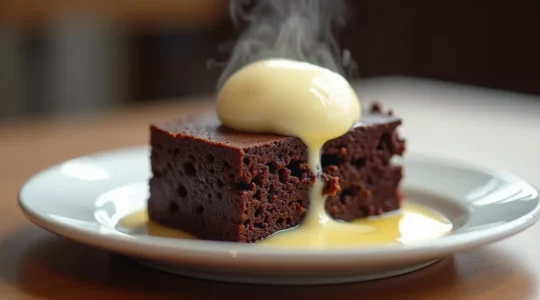
Why Is Cold Vanilla Cream the Perfect Partner for Hot Chocolate Cake?
The iconic hot cake and cold cream pairing is a feat of sensory engineering, not just a simple recipe. Mastering it involves controlling meltdown dynamics through specific ice cream properties like overrun and fat content. Success depends on precise service…
Read more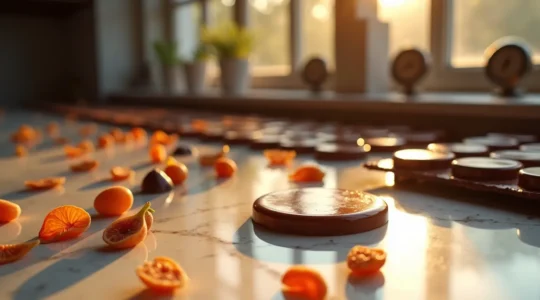
How to Prevent Dried Fruits from Seizing Your Chocolate Mix?
The key to stable chocolate confections isn’t just using ‘dry’ fruit; it’s mastering the science of water activity (Aw) to halt moisture migration at a molecular level. Moisture moving from high-Aw fruit to low-Aw chocolate is the root cause of…
Read more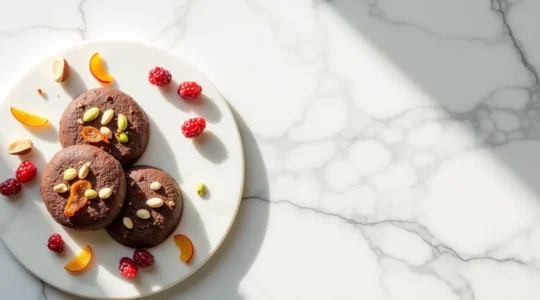
The Artisan’s Guide to Mendiants: Mastering Ratios, Workflow, and Flavour
Mastering the mendiant is not about following a recipe; it’s about controlling the variables of physics, flavour, and workflow to achieve consistent artistry at scale. The perfect mendiant requires precise timing and temperature control, not just creative topping placement. Preventing…
Read more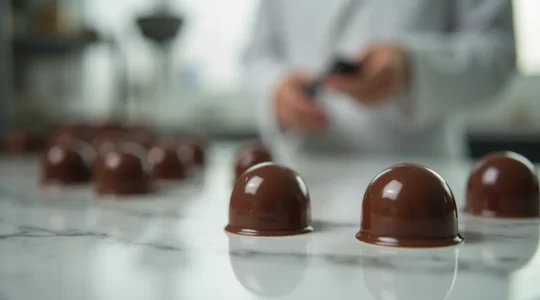
How to Achieve a Mirror-Like Shine on Your Molded Bonbons?
Achieving a true mirror-like shine is not about luck; it is a science of controlling surfaces and crystals at a microscopic level. The mold’s surface must be ‘micro-polished’, not just cleaned, to eliminate all invisible residues that scatter light. Perfectly…
Read more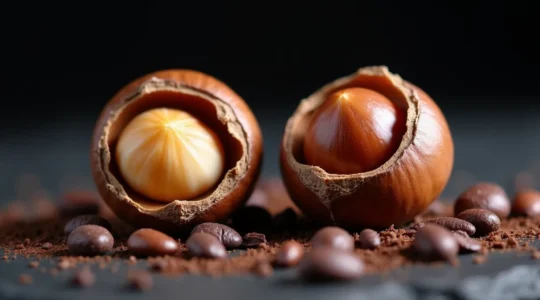
Why Do Piedmont Hazelnuts Cost Double but Taste Triple?
The superior taste of Piedmont hazelnuts isn’t magic; it’s a direct result of a unique, non-replicable molecular blueprint guaranteed by its origin. Their exceptionally high oleic acid content creates a richer flavor and smoother texture, ideal for gourmet spreads. The…
Read more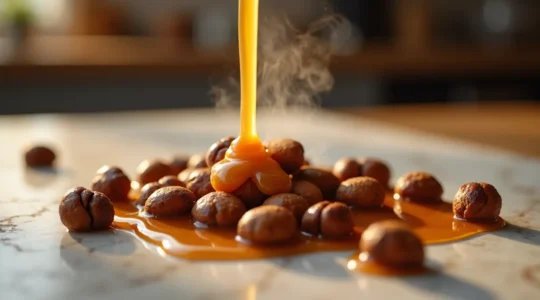
How to Make Crunchy Hazelnut Praline Paste Without Burning the Sugar?
In summary: Master caramelization by trusting your senses—sight and smell—over a timer, using a light-colored, heavy-bottomed pan for total control. Achieve your ideal texture, from crunchy bits to liquid paste, by understanding the five stages of processing and harnessing friction…
Read more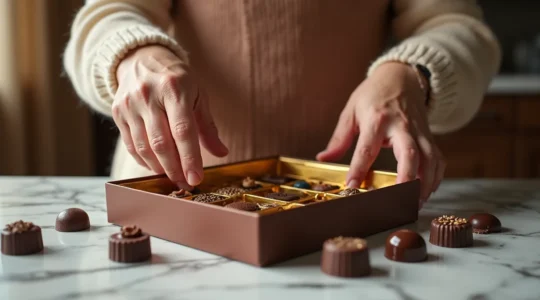
The Art of Curating a Chocolate Box: A Concierge’s Guide to Delighting Every Generation
The secret to a universally adored chocolate box isn’t random variety, but a carefully constructed flavor narrative. Balance nostalgic classics like pralines (70% of the selection) with adventurous, conversation-starting ganaches (30%). Isolate volatile flavors, such as alcohol-infused bonbons, from delicate…
Read more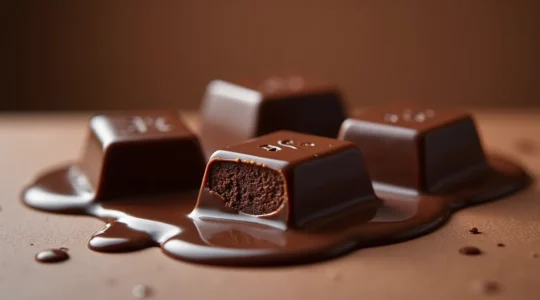
Why Does Great Chocolate Linger on Your Palate for 20 Minutes?
The long, complex finish of a fine chocolate is not a sign of vague “quality,” but a predictable, time-released cascade of chemical and physiological events. Flavor is physically trapped in cocoa butter and is only released as it melts at…
Read more