Cocoa transcends mere confectionery to become a sensory journey, linking sustainable plantations to the refined atmosphere of pastry kitchens through complex fermentation and meticulous roasting processes.


Unveiling the journey from cocoa bean to bar
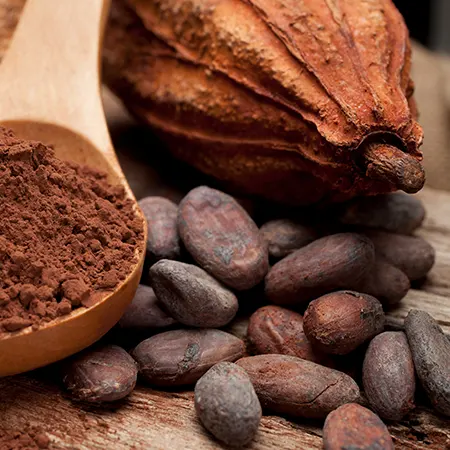
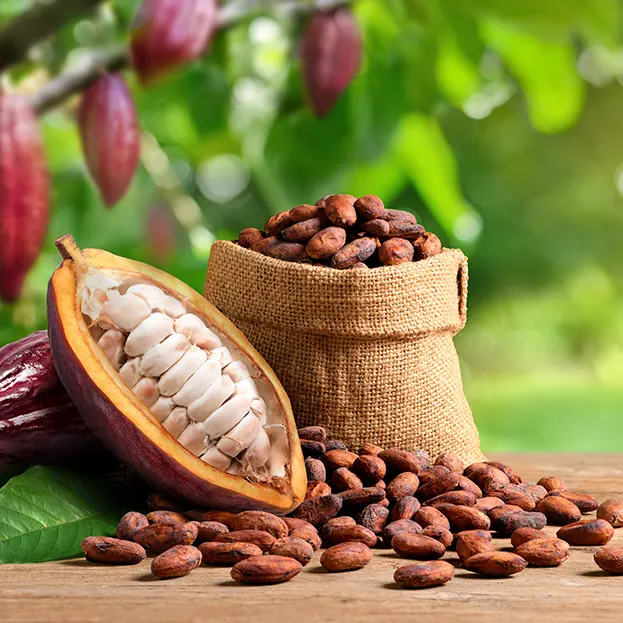
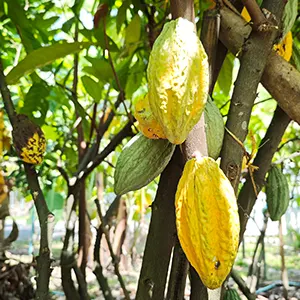
The transformation begins in equatorial climates where harvesting requires precision. Once fermented and dried, beans undergo roasting for aromatic profiles. Conching follows, a kneading process refining texture, resulting in single-origin couverture used by master chocolatiers.

Distinctive terroirs and varieties
Criollo beans offer delicate floral notes and low bitterness, highly valued for tasting events. Conversely, robust Forastero provides the structural backbone, while Trinitario combines the resilience of one with the aromatic depth of the other.
Soil composition and fermentation duration dramatically influence the flavor notes, creating unique signatures for every certified organic harvest region.
Exploring the spectrum of fine confections
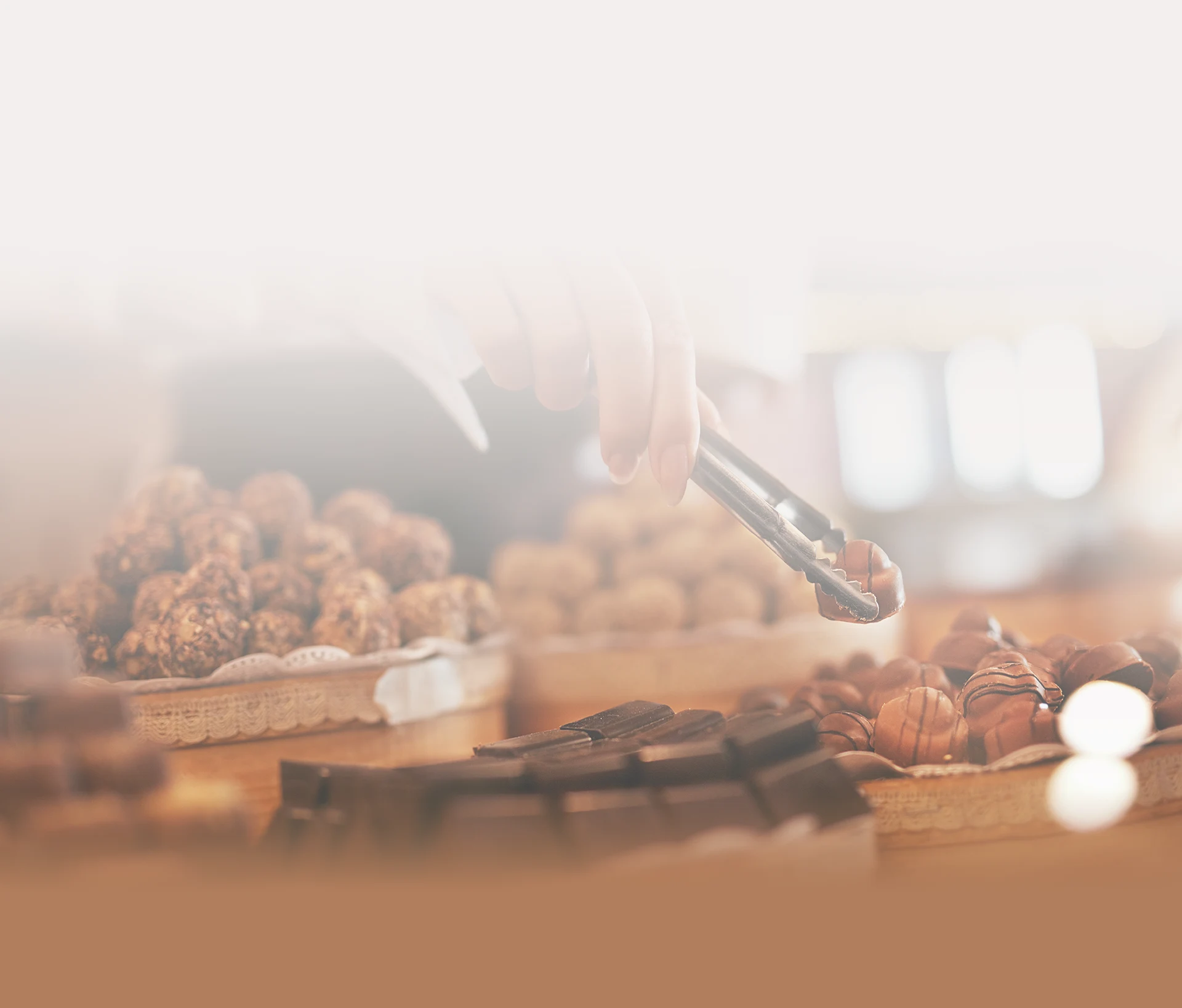
Festive velvet chocolate truffles
A heart of dark ganache rolled in cocoa powder offers a striking contrast between the bitter outer coating and the creamy, gift-worthy interior.
Piedmont nuts caramelized to perfection are ground into a smooth paste, adding texture and deep nutty flavors to Easter bonbons.
Thin shells of tempered chocolate encase liquid fruit coulis or salted caramel, providing a satisfying snap followed by an immediate dessert burst.
Small pools of dark chocolate are studded with dried fruits and nuts, celebrating the marriage of textures in a single coffee-break bite.
Mastering recipes and culinary techniques
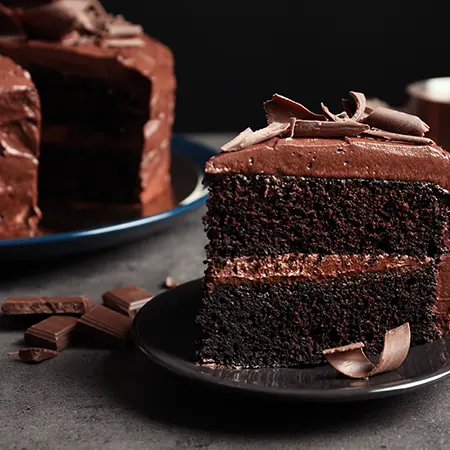
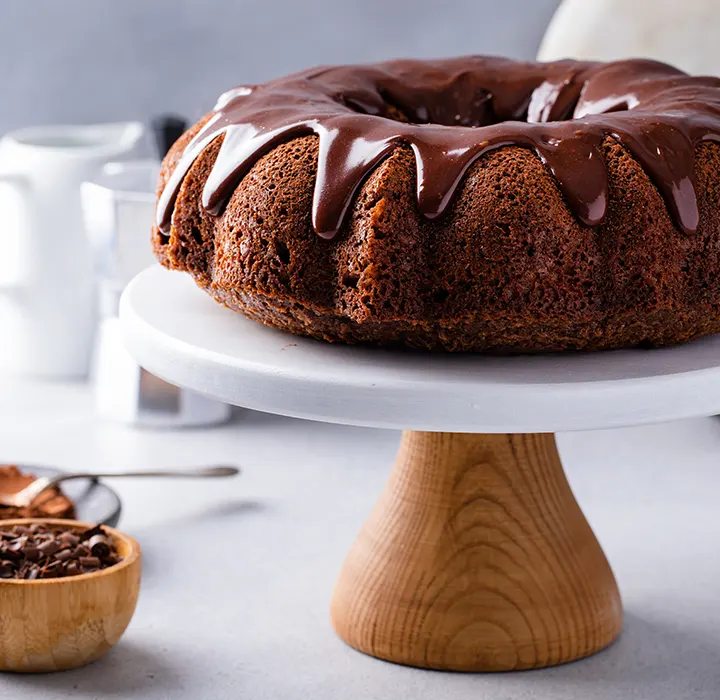
Creating structured cakes requires understanding crystallization. Temperature control remains the cornerstone of working with cocoa butter, ensuring the homemade product possesses a glossy sheen and a clean snap rather than a dull appearance.
The art of precision tempering
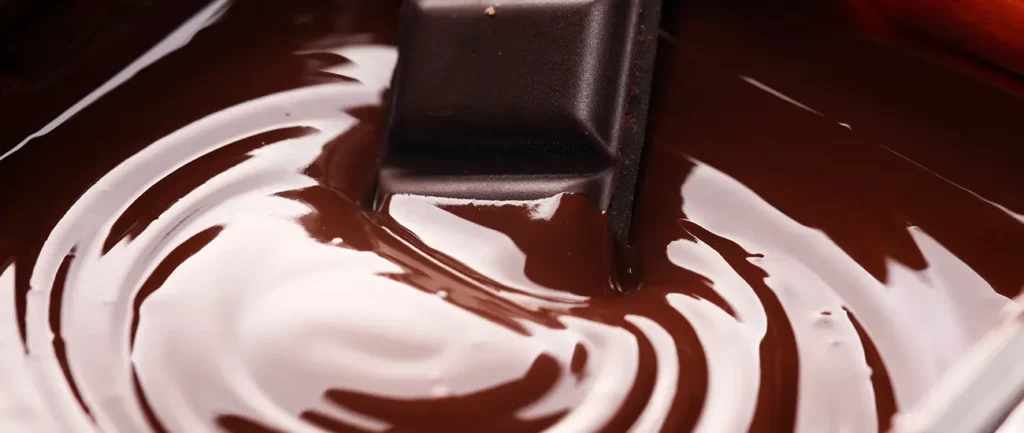
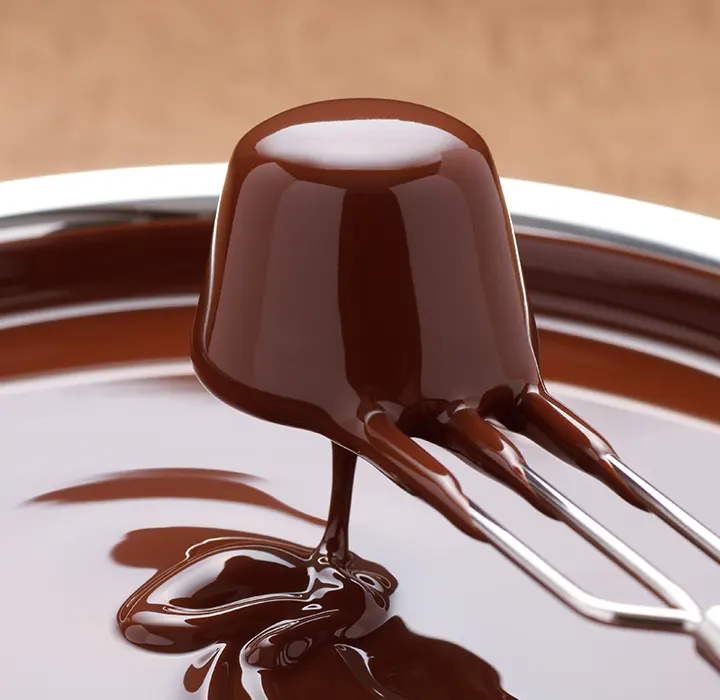
Bringing chocolate to specific temperatures aligns stable crystals. Chefs melt the mass, cool it to induce crystallization, and reheat to working temperature. This cycle prevents bloom, ensuring Valentine's treats maintain integrity while melting pleasantly.
Achieving the perfect ganache emulsion
Mixing liquids like almond cream with fatty cocoa butter demands vigorous friction. A shiny elastic core indicates a successful bond, resulting in a ganache that feels smooth on the palate.
Proper emulsification guarantees stability for macaron fillings, preventing separation that leads to an oily texture or grainy mouthfeel in the final party dessert.
Innovation in chocolate pastry arts
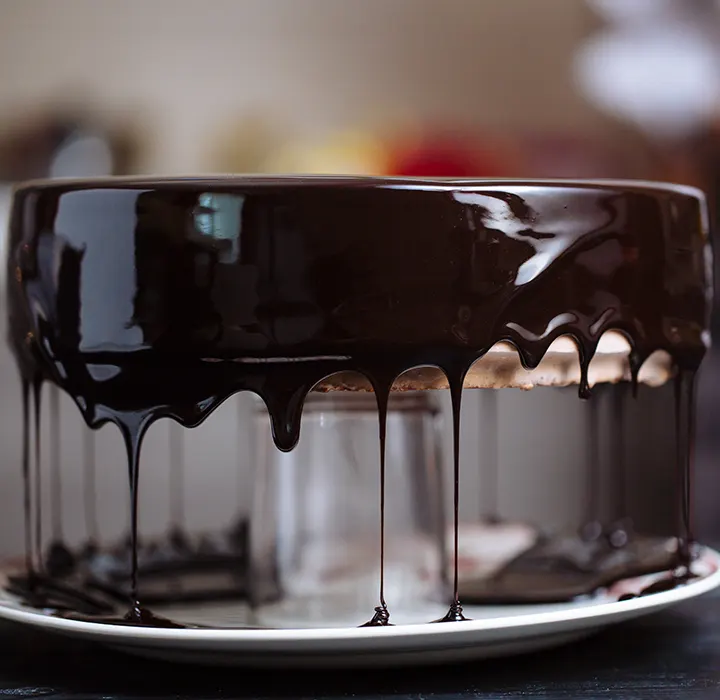
Modern éclairs forgo traditional fondant for mirror glazes. Pastry cream is infused with bean-to-bar couverture, amplifying the depth of flavor within the crisp choux pastry shell.
Texture plays a vital role, with added craquelin providing a necessary crunch against soft, creamy fillings.
The classic fondant cake relies on precise baking times. The exterior must set firmly while the center remains liquid, creating a dramatic flow when cut with a dessert spoon.
Serving this birthday dessert warm enhances the release of volatile cocoa aromas and contrasts with cold vanilla cream.
Layered entremets elegantly combine distinct textures such as light sponge, airy mousse, and crunchy praline, creating a harmonious and visually stunning wedding dessert experience.
Using different cocoa percentages allows the chef to balance sweetness and intensity within one gourmet slice.
Elevating moments with hot chocolate
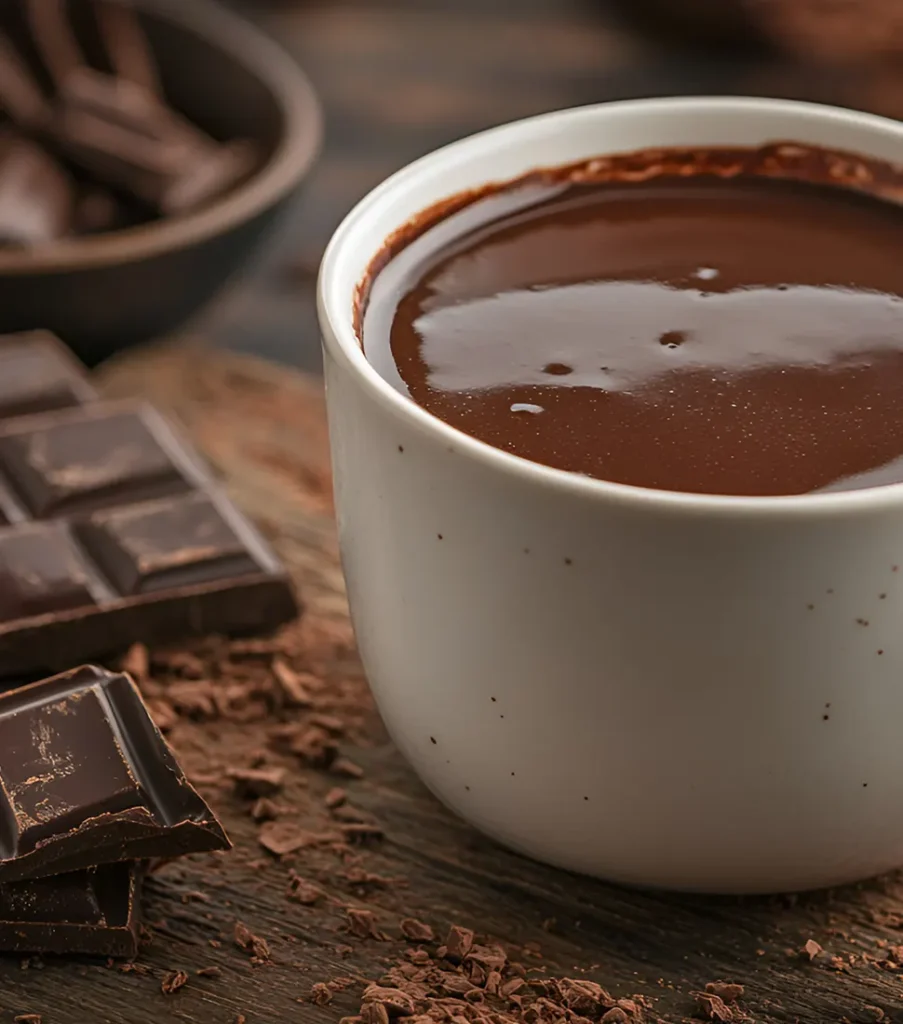
Historic methods involved whipping spices. Today, rich hot chocolate combines oat milk and dark shavings, slow-cooked to thicken. This serves as a comforting ritual during winter or a sophisticated ending paired with spirits.
Workshops often explore pairings with roasted coffee. The tannins in red wine complement the astringency of dark chocolate, while the acidity of espresso cuts through rich milk chocolate varieties, cleansing the palate.