Chocolate & occasions
Chocolate possesses a unique power that transcends simple taste: it transforms ordinary moments into cherished memories. Whether you’re planning an intimate gathering, celebrating a milestone, or marking seasonal traditions, chocolate serves as both the centerpiece and the emotional connector that elevates any occasion. From the first bite of a perfectly tempered truffle at a tasting event to the final slice of wedding cake, chocolate communicates care, craftsmanship, and celebration in a universal language.
Yet working with chocolate for special occasions presents distinct challenges that differ vastly from everyday baking. Managing temperature fluctuations during outdoor events, scaling recipes for large groups, accommodating dietary restrictions, and creating presentations that wow without overwhelming—these practical considerations can make or break your celebration. This resource connects the essential techniques, planning strategies, and creative approaches you need to confidently incorporate chocolate into any event, regardless of your experience level.
Why Chocolate Elevates Every Celebration
Chocolate functions as more than a dessert ingredient—it acts as a social catalyst that naturally draws people together. The shared experience of tasting, discussing, and savoring chocolate creates conversation bridges between strangers and deepens connections among friends. This phenomenon explains why chocolate appears at virtually every type of celebration across cultures, from intimate dinners to grand public festivals.
The sensory complexity of quality chocolate—with its layers of flavor developing across the palate, its satisfying snap and melt, its aromatic compounds triggering memory and emotion—engages participants on multiple levels simultaneously. When someone experiences a well-crafted chocolate creation, they’re not just eating; they’re experiencing texture, aroma, visual appeal, and often storytelling about origin, technique, or tradition. This multi-dimensional engagement makes chocolate particularly effective for creating memorable moments that guests recall long after the event concludes.
From a practical standpoint, chocolate’s versatility allows it to adapt to virtually any celebration context. It can be rustic and comforting for a family birthday, sophisticated and refined for a wedding reception, playful and colorful for seasonal holidays, or intimate and personalized for romantic occasions. This adaptability, combined with its near-universal appeal, establishes chocolate as the ultimate celebration ingredient.
Hosting Successful Chocolate Tasting Events
Organizing a chocolate tasting event requires balancing educational content with social enjoyment. The goal isn’t to conduct a formal seminar, but rather to create an atmosphere of discovery where participants feel comfortable exploring flavors, asking questions, and sharing reactions without pressure or pretension.
Selecting a Cohesive Theme
A well-chosen theme provides structure without rigidity. Consider focusing on a single origin (comparing chocolates from different regions of Ecuador), a specific percentage range (exploring the spectrum from 60% to 85% cacao), or a flavor pairing concept (chocolate with wine, cheese, or spices). The theme should be narrow enough to reveal meaningful differences between samples, yet broad enough to showcase variety. For example, a “bean-to-bar maker comparison” theme allows guests to taste how different chocolate makers interpret similar cacao percentages, revealing the impact of roasting profiles and conching times on final flavor.
Preparing Essential Tasting Materials
Proper equipment enhances the experience without complicating it. You’ll need neutral palate cleansers like plain crackers and room-temperature water, small plates or tasting mats with numbered positions, basic tasting notes with space for observations, and adequate napkins. Ensure chocolate samples are cut to uniform sizes—approximately 5-7 grams per piece—and brought to room temperature at least one hour before the event. Cold chocolate mutes flavor compounds, while overly warm chocolate loses its textural clarity.
Managing Timing and Dietary Considerations
Plan for approximately 7-10 minutes per chocolate sample, including discussion time. For a two-hour event, this means focusing on 6-8 distinct chocolates rather than overwhelming guests with excessive variety. Address dietary restrictions proactively by collecting information during invitations: clearly label which chocolates contain dairy, nuts, gluten, or other common allergens. Consider offering at least one high-quality dark chocolate option that accommodates multiple dietary needs simultaneously, ensuring all guests can fully participate rather than observing from the sidelines.
Crafting Seasonal Chocolate Creations
Seasonal celebrations provide natural opportunities to showcase chocolate techniques while connecting to broader cultural traditions. The key lies in balancing innovation with expectation—honoring what people love about seasonal treats while adding your personal craftsmanship.
Mastering Holiday Truffles
Truffles represent one of the most approachable yet impressive chocolate projects for celebrations. The fundamental technique—creating a ganache, allowing it to crystallize, then shaping and coating—remains constant while finishes and flavors vary infinitely. Success depends on controlling temperature at every stage. When making ganache, heat cream to exactly 90-95°C (194-203°F) before pouring over chopped chocolate, ensuring complete emulsification without scorching. Allow the ganache to crystallize at room temperature for 12-24 hours rather than refrigerating, which creates a firmer, more stable center that’s easier to roll and coat.
The rolling technique requires cool hands and quick movements. Scoop uniform portions using a small melon baller or measuring spoon, then roll each portion between your palms for just 3-4 seconds—enough to form a sphere but not long enough to melt significantly. Immediately place rolled truffles on parchment and return them to cool room temperature before applying the final coating. For exterior finishes, consider coating in tempered chocolate for elegance, cocoa powder for classic simplicity, or finely chopped nuts for textural contrast.
Creating Molded Chocolates for Easter
Hollow molded chocolates—bunnies, eggs, or other spring symbols—require understanding how chocolate contracts during crystallization. This natural contraction is what releases the finished piece from the mold, but it also creates vulnerability to cracking if the shell thickness is inconsistent. Achieve even coverage by filling the mold completely with tempered chocolate, waiting 30-45 seconds, then inverting the mold over your bowl and tapping gently to release excess chocolate. This leaves a thin, uniform coating on the mold walls.
For filled hollow pieces, allow the first layer to crystallize completely (it will lose its wet shine and pull slightly from the mold edges) before piping in your surprise filling—whether ganache, caramel, or small candies. Leave 2-3mm of space at the opening, then seal with another layer of tempered chocolate. Prevention of demolding cracks comes from patience: allow molded pieces to crystallize fully at room temperature for at least 4 hours, or overnight for larger pieces. Refrigeration seems faster but often causes thermal shock cracks as moisture condenses on the cold chocolate surface.
Chocolate as the Language of Romance
Romantic chocolate occasions demand a different approach than other celebrations. The chocolate becomes a physical representation of sentiment, requiring thoughtful personalization rather than generic gestures. Understanding what makes chocolate feel genuinely romantic versus clichéd separates memorable gifts from forgettable ones.
Move beyond heart-shaped boxes by considering the recipient’s specific preferences. A person who loves intense flavor experiences might appreciate a selection of single-origin dark chocolates with tasting notes, while someone who enjoys playful sweetness might prefer creative flavor combinations like salted caramel or raspberry rose. The packaging and presentation carry as much meaning as the chocolate itself—consider reusable wooden boxes, fabric-wrapped bundles with handwritten notes, or creative containers that reference shared memories or inside jokes.
The psychology of chocolate gift-giving centers on demonstrating attention and effort. Including a few pieces from an artisan chocolatier who hand-paints each bonbon shows more thoughtfulness than buying in bulk. Adding a personal element—perhaps chocolates flavored with their favorite coffee, herb, or spirit—communicates that you’ve created something specifically for them rather than selecting a generic option. For those creating chocolate gifts commercially, avoid tired imagery of red hearts and cupids in favor of sophisticated designs that respect the recipient’s individuality.
Plan production and purchasing well ahead of peak romantic occasions. Popular holidays create supply constraints, and quality chocolatiers often sell out of custom orders weeks in advance. If you’re making chocolates yourself, test recipes at least one week early to troubleshoot any issues, then complete final production 2-3 days before the event to ensure optimal freshness without last-minute stress.
The Universal Appeal of Chocolate Birthday Cakes
Chocolate cake holds a unique position as the most widely requested birthday dessert, transcending age, culture, and occasion formality. Its success depends on balancing rich chocolate flavor with accessible sweetness that appeals to diverse palates, from children experiencing their first birthday to adults celebrating milestone years.
For younger audiences, reduce perceived bitterness by selecting cocoa powder in the 20-22% fat range rather than ultra-dark Dutch-process varieties, and balance the chocolate with vanilla and a touch more sugar than you’d use for adult palates. The texture matters as much as flavor—a tender, moist crumb that’s easy to eat beats a dense, fudgy cake that requires concentrated effort. Consider a simple chocolate buttercream or ganache frosting rather than elaborate fondant work, which often gets pushed aside by children who primarily want cake and chocolate.
Decoration should enhance rather than overwhelm. A smooth chocolate ganache finish with minimal piped borders, fresh berries, or a few strategically placed chocolate shards creates visual impact without the excessive sweetness of thick fondant layers or sugar flowers. Remember that elaborate decorations photograph well but often complicate serving—a cleanly frosted cake cuts into neat slices, while heavily decorated cakes create messy portions that frustrate hosts.
Transportation challenges multiply with cake size and decoration complexity. For vehicle transport, place the cake on a non-slip mat on a flat surface (trunk floors work better than sloped back seats), drive cautiously around corners, and avoid extended periods in hot vehicles. If the journey exceeds 30 minutes or temperatures exceed 24°C (75°F), consider transporting cake layers and frosting separately, then assembling on-site. Clean cutting requires a long, thin blade dipped in hot water and wiped dry between each slice—the heat slightly melts the frosting for smooth cuts rather than dragged, crumb-filled edges.
Serving Chocolate Desserts to Large Groups
Scaling chocolate desserts from home-sized portions to crowd-pleasing quantities introduces logistical challenges that don’t exist in small-batch baking. The primary concerns center on preparation timing, serving temperature, and portion consistency across dozens or hundreds of guests.
Choosing the Right Format
Individual portions solve multiple problems simultaneously. Pre-portioned desserts—whether plated slices, individual tarts, chocolate pots, or molded mousses—eliminate the bottleneck of cutting and plating during service. They ensure portion consistency so early guests and late arrivals receive identical presentations. They also simplify dietary accommodation, allowing you to prepare a specific number of gluten-free, vegan, or nut-free alternatives that are clearly labeled and set aside.
Advance Preparation Strategies
Maximize make-ahead components to reduce event-day stress. Most chocolate elements actually improve with advance preparation: ganaches develop fuller flavor after 24 hours, mousses set more reliably overnight, and chocolate decorations can be made weeks ahead and stored in airtight containers. Create a production timeline working backward from the event, identifying which elements must be fresh (whipped cream, fruit garnishes) and which benefit from age (soaked cake layers, set custards). This reverse planning prevents the common mistake of attempting too many tasks on the final day.
Preventing Temperature Disasters
Chocolate’s sensitivity to heat creates unique challenges for buffet-style service. Avoid displaying chocolate desserts under heat lamps or in direct sunlight, which cause visible melting within minutes. If the event occurs outdoors or in a warm venue, choose desserts with stable chocolate components—a flourless chocolate cake with cocoa powder dusting withstands heat better than one with ganache frosting. For unavoidable warm conditions, serve desserts in waves from a cool holding area rather than displaying the entire quantity at once. Calculate portions conservatively: for dessert following a full meal, estimate 70-80% of guests will take dessert, with average portion sizes around 100-120 grams for plated desserts or 40-50 grams for buffet selections where guests often take multiple small items.
Elevated Chocolate Desserts for Weddings
Wedding desserts represent the pinnacle of chocolate occasion work, demanding technical excellence, sophisticated presentation, and flawless execution under pressure. The expectations differ fundamentally from other celebrations—couples invest significantly in these moments, and the desserts become photographed memories shared widely.
Modern wedding trends favor dessert diversity over single statement cakes. Consider creating a dessert landscape that includes a modest cutting cake for ceremony, supplemented by an array of chocolate mignardises: miniature tarts, chocolate-dipped fruits, bonbons with creative fillings, small verrine desserts, and artisan truffles. This approach offers visual abundance, accommodates various taste preferences, and allows guests to sample multiple creations rather than receiving a single predetermined slice.
Flavor personalization creates meaningful connections to the couple’s story. Incorporate chocolate from regions the couple has traveled, flavors from their cultural backgrounds, or recreate a chocolate dessert from their first date in miniature form. These thoughtful touches transform generic desserts into narrative elements that wedding guests notice and discuss. When working with couples, conduct a tasting session featuring your proposed components, gathering feedback on sweetness levels, flavor intensity, and portion sizes rather than simply presenting finished options.
Service logistics require careful coordination with venue staff or catering teams. Determine exact timing for dessert service—immediately after dinner creates traffic flow issues, while waiting too long means some guests depart before experiencing the dessert course. Establish clear communication about dessert placement, cutting protocols if applicable, and how to handle the wrapped guest favors if you’re providing chocolate gifts for departing attendees. Package guest favors in elegant but practical containers that survive being carried, placed in purses, and transported home without melting or crushing. Simple boxes with ribbon closures work more reliably than elaborate but fragile packaging that looks beautiful on display but frustrates guests attempting to take them home intact.
Working with chocolate across celebrations—from intimate tastings to grand weddings—builds both technical skills and intuitive understanding of how people interact with special occasion foods. Each event teaches lessons about timing, presentation, and the emotional weight that chocolate carries when offered during meaningful moments. Start with simpler projects to build confidence, document what works and what needs refinement, and gradually expand your ambition as your expertise grows. The occasions you enhance with thoughtful chocolate work become stories worth retelling, connecting you to a centuries-old tradition of marking life’s special moments with crafted sweetness.
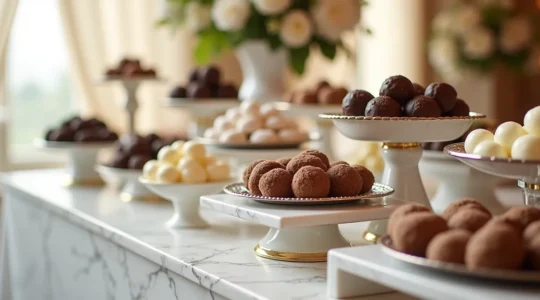
Beyond the Numbers: A Strategic Guide to Chocolate for a 200-Person Wedding
Successfully catering a 200-person wedding isn’t about a simple chocolate-per-guest formula; it’s a matter of strategic Dessert Event Management. Heat is your biggest enemy. Understanding chocolate’s thermal integrity is more critical than the recipe itself. Guest flow dictates consumption. Bite-sized,…
Read more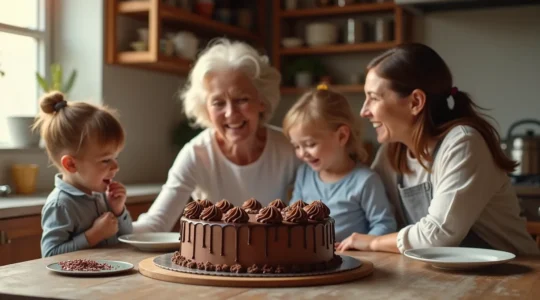
How to Create a Chocolate Cake That Pleases Both Kids and Adults
In summary: The key isn’t one magic recipe, but a series of strategic compromises in flavor, design, and presentation. Aim for a chocolate percentage around 60% as the perfect “flavor middle ground” to satisfy both sweet and bitter preferences. Balance…
Read more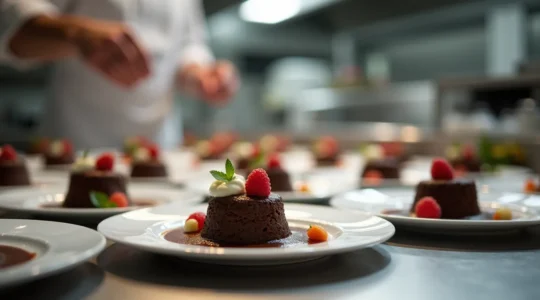
How to Serve Molten Chocolate Cakes to 20 Guests Simultaneously?
Serving 20 perfect molten cakes isn’t about a better recipe or faster baking; it’s about adopting a professional caterer’s system of orchestration. The key is to create a “plating assembly line” by preparing all cold components and garnishes hours in…
Read more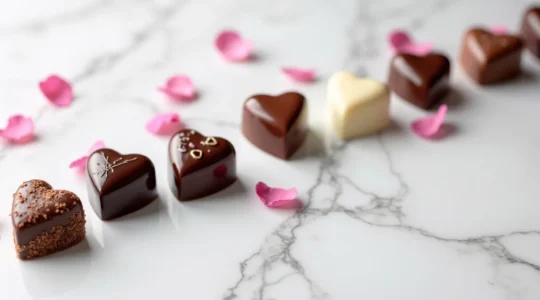
Why Do Heart-Shaped Chocolates Sell 5x Better in February?
The dominance of heart-shaped chocolate isn’t just tradition; it’s a masterclass in consumer psychology that artisans can leverage for premium pricing. Scientific research shows that multi-sensory packaging can increase a consumer’s willingness to pay by over 500% during the Valentine’s…
Read more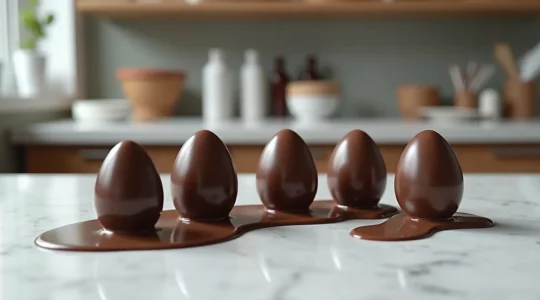
How to Create Professional Molded Easter Eggs at Home?
Creating professional-quality Easter eggs is not about a recipe, but about mastering the science of chocolate and the psychology of delight. Perfect shine comes from precise temperature control to form specific Beta-V crystals, not just from polishing molds. Preventing cracks…
Read more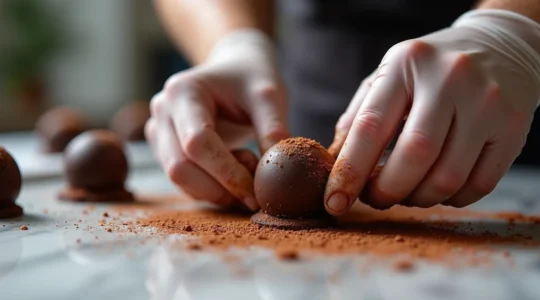
The Secret to a Perfect “Velvet” Texture on Your Homemade Truffles
In summary: The key to velvet truffles is controlling ganache emulsion and cocoa butter crystallization, not just the ingredients. Prevent melting during rolling by keeping your hands and the environment consistently cold, using specific, gentle techniques. A split, oily ganache…
Read more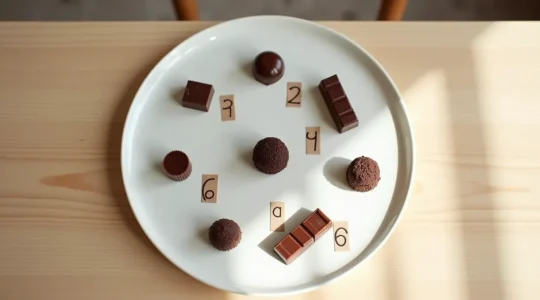
How to Host a Blind Chocolate Tasting Party for under $100?
A successful chocolate tasting under $100 is less about budget and more about crafting a memorable sensory journey for your guests. Theme is key: Choose between a “percentage” or “single-origin” focus to make comparisons meaningful and engaging. Order matters: Always…
Read more