For chefs moving from industrial to artisanal chocolate, inconsistent results are a common frustration. The solution isn’t a new temperature chart, but a new philosophy. This guide reveals that the key to mastering bean-to-bar couverture lies in understanding and controlling its inherent physicochemical variability—from fat content to acidity—which industrial processes are designed to eliminate. Success comes not from fighting this variability, but from making it your greatest strength.
If you’re a professional chef, you’ve built your career on precision and predictability. You expect your ingredients to behave the same way, every time. So, when you switch to artisanal bean-to-bar couverture and a perfectly reliable tempering process suddenly fails—yielding a dull, streaky, or soft finish—the frustration is immense. You followed the numbers, so what went wrong? The common answer is that artisanal chocolate is simply “harder to work with,” but that’s a platitude that masks the real technical challenge and opportunity.
The truth is, industrial chocolate is engineered for absolute consistency. Its flavor, fat content, and particle size are standardized to a razor’s edge. Bean-to-bar chocolate, by contrast, is an expression of character and origin. It isn’t just a product; it’s a story of a specific farm, a unique fermentation process, and a particular roast. This inherent variability isn’t a flaw; it’s the very source of its superior flavor and complexity. The problem isn’t the chocolate; it’s approaching it with an industrial mindset.
But what if the key wasn’t to find a new magic number for tempering, but to fundamentally understand the physicochemical dialogue happening within the chocolate? This guide is designed for you, the technical-minded chef. We will deconstruct the “why” behind the different behavior of craft couverture. We will explore how to measure and adapt to its unique properties, turning its variability from a liability into a signature element of your creations. It’s time to move beyond simply following a tempering curve and start conducting it.
In this comprehensive guide, we’ll break down the essential technical knowledge and practical strategies you need to master bean-to-bar couverture. You’ll learn how to manage everything from acidity to batch variance, justify the cost, and leverage its unique story on your menu.
Summary: Why Bean-to-Bar Couverture Requires Different Tempering Curves
- How to Adapt Sugar Levels When Using Higher Acidity Chocolate?
- Single Batch Variance: How to Maintain Consistency with Artisan Products?
- Marketing Story: How to Sell the “Farmer Name” on Your Menu?
- Is the 40% Cost Increase of Craft Couverture Recoverable in Sales?
- What Really Happens During the 30-Day Journey from Tree to Bar?
- How Does Volcanic Soil Change the Acidity of Cocoa Beans?
- How to Map the 4 Main Flavor Profiles of South American Cocoa?
- Direct Relationship: How to Buy Couverture Without Middlemen?
How to Adapt Sugar Levels When Using Higher Acidity Chocolate?
One of the first characteristics you’ll notice in craft chocolate is its pronounced acidity, a feature often muted in industrial products. This isn’t a defect; it’s a direct result of the bean’s origin and fermentation, contributing bright, complex fruit notes. However, this acidity can disrupt the balance of your recipes. Scientifically, this is reflected in the chocolate’s pH. While alkalized (Dutch-processed) cocoa has a neutral pH of 7, a technical analysis shows that natural cocoa powder typically has an extractable pH of 5.3 to 5.8. This inherent acidity requires a strategic response, not just a heavier hand with the sugar.
Simply adding more sugar is a blunt instrument; it can mask the very nuances you’re paying a premium for. The goal is to balance, not obliterate. A more sophisticated approach involves using other ingredients to buffer the acidity and create new, complex flavor compounds. For example, the Kilombero Valley, Tanzania single-origin bar is a case study in high acidity management. Its profile of tart red berries and tangy lactic flavors is a feature, not a bug, showcasing how proper formulation enhances rather than hides natural character.
To master this, think like a food scientist. Your goal is to create harmony while preserving the chocolate’s aromatic integrity. Here are three professional techniques to balance acidity without resorting to excessive sugar:
- Use fats to buffer acidity: Ingredients like brown butter or clarified butter can round out sharp notes and add richness, preserving the delicate aromatics of the chocolate.
- Leverage the Maillard reaction: Pair high-acidity chocolates with caramelized or toasted components (like nuts or milk powder). The resulting Maillard reactions create deep, complex compounds that complement and temper the bright notes.
- Systematically map interactions: Don’t leave it to chance. Test how a specific chocolate interacts with other acidic ingredients in your pantry, such as a raspberry purée or passion fruit juice. This creates a predictable map for future recipe development.
Single Batch Variance: How to Maintain Consistency with Artisan Products?
Here we arrive at the heart of the H1 question. The primary reason bean-to-bar couverture requires different tempering curves is inherent variability in its physicochemical structure. Unlike industrial chocolate, where cocoa butter percentage and particle size are rigidly controlled, artisanal batches can differ. One batch may have a slightly higher fat content or a coarser grind, which directly impacts how its beta crystals form—the key to a perfect temper.
Achieving a stable temper is about encouraging the formation of Type V beta crystals, which provide the desired snap, shine, and melt-in-your-mouth texture. Inconsistent fat content from batch to batch means the ideal temperature for crystal formation will shift. Your job is no longer to follow a static chart, but to observe the chocolate’s viscosity and behavior, making micro-adjustments. This is the “physicochemical dialogue” in action. You are not just melting chocolate; you are guiding its crystallization based on the unique properties of that specific batch.
While this requires more attention, you have several highly effective methods at your disposal to enforce consistency. The choice of method depends on your desired balance of speed, precision, and batch size. Understanding these options gives you the control needed to tame batch-to-batch variance.
The following table provides a technical comparison of the most common methods for achieving a stable Type V crystal structure, as outlined by professional analysis of tempering techniques. This data allows you to select the best approach for your specific production needs.
| Method | Temperature Range | Consistency Rate | Best For |
|---|---|---|---|
| Seeding with Silk | 33.5°C constant | 95%+ | Maximum batch consistency |
| Traditional Seeding | 88-90°F (31-32°C) | 85-90% | Small batches |
| Mycryo Method | 34°C dark / 33°C milk | 90-95% | Quick tempering |
| Tabling Method | 82°F cool / 86°F reheat | 80-85% | Artisanal control |
Marketing Story: How to Sell the “Farmer Name” on Your Menu?
Once you’ve mastered the technical side of bean-to-bar chocolate, your next opportunity is in storytelling. The price premium of craft couverture is not just for complex flavor; it’s for traceability, ethics, and a direct connection to the source. Listing a farmer’s name or a specific cooperative on your menu transforms a dessert from a simple commodity into a unique, curated experience. You’re not just selling a “chocolate tart”; you’re selling “José’s 72% Esmeraldas Cacao Tart.”
This narrative is your most powerful marketing tool. It communicates transparency and quality, justifying the higher price point to discerning customers. It also aligns your brand with the growing consumer demand for sustainable and ethically sourced products. The story provides an emotional connection that industrial chocolate, by its anonymous nature, can never offer. As Greg D’Alesandre, Chief Sourcing Officer at Dandelion Chocolate, puts it, the relationship is paramount.
Every chocolate bar is like a partnership between a cocoa producer and a chocolate maker.
– Greg D’Alesandre, Chief Sourcing Officer at Dandelion Chocolate
To effectively sell this story, it must be authentic. Your menu descriptions, your staff’s training, and your online presence should all reflect this partnership. It’s about educating the consumer on what makes this chocolate special—the unique terroir, the farmer’s careful cultivation, the specific fermentation process. This builds value and turns a simple purchase into a memorable event.
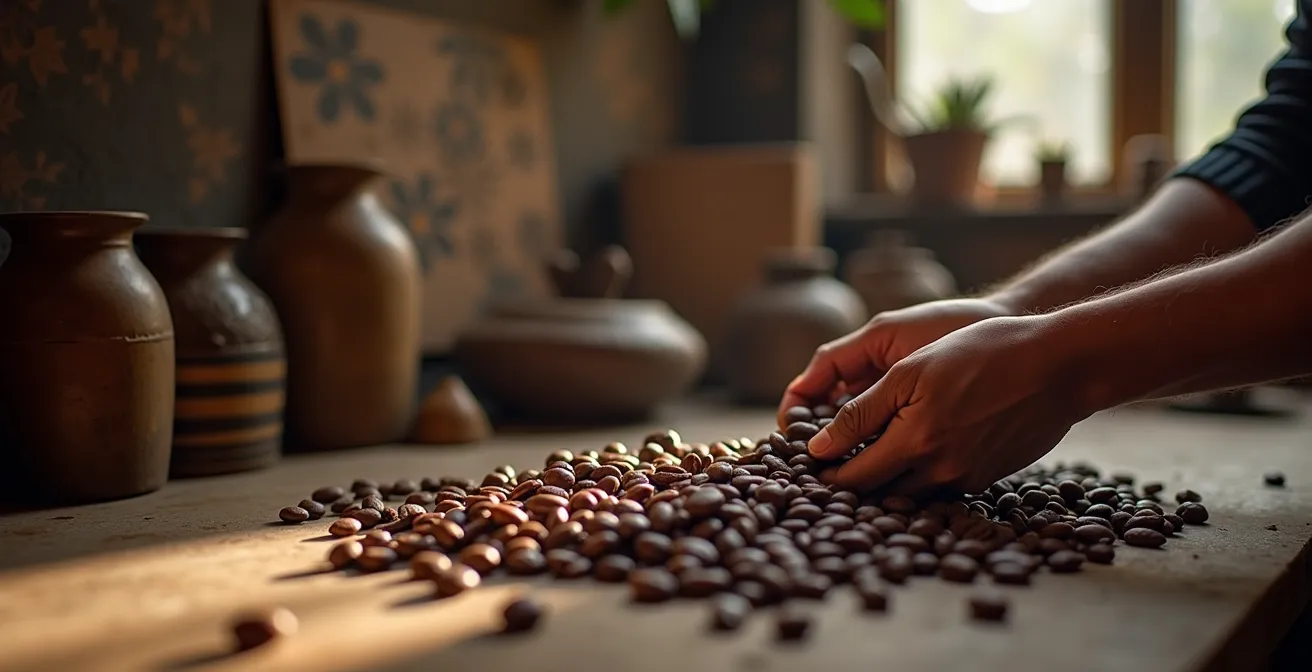
This visual connection between the raw ingredient and the final creation reinforces the authenticity of your sourcing. It tells a story of craftsmanship and quality that resonates deeply with customers. By highlighting this journey, you are not just an artisan; you are a curator of fine cacao, and that is a powerful position to own in the market.
Is the 40% Cost Increase of Craft Couverture Recoverable in Sales?
Let’s address the most pressing business question: can the significant cost premium of craft chocolate be justified on the balance sheet? The numbers are stark. On average, the production cost for artisanal bars can be 3 to 5 times higher than for industrial ones. This cost is passed on to you, the chef. A 40% or higher increase in your chocolate budget is a serious consideration. However, viewing this purely as a cost increase is a mistake. It is an investment in a different market category altogether.
The market data is overwhelmingly clear: consumers are not only willing to pay more for premium, traceable products, they are actively seeking them out. According to extensive research by the National Confectioners Association, premium chocolate sales in the United States saw a dramatic 19% increase between 2015 and 2019, significantly outperforming the broader chocolate market. This trend demonstrates a robust consumer segment that prioritizes quality, transparency, and sustainability over price alone.
Furthermore, the entire bean-to-bar sector is experiencing explosive growth. The market is projected to expand significantly, with one report forecasting a compound annual growth rate of 12.80%, reaching $63 billion by 2031. By integrating craft chocolate into your offerings, you are not just incurring a cost; you are positioning your business to capture a share of a rapidly growing, high-margin market. The 40% increase is recoverable because you are selling a different product to a different customer expectation. You are moving from the category of “confectionery” to “luxury artisanal good.”
What Really Happens During the 30-Day Journey from Tree to Bar?
To truly master bean-to-bar chocolate, you must understand its journey. The 30-day transformation from a fresh cacao pod to a finished bar is where its unique character and variability are born. Unlike the standardized industrial process, every step in the artisanal journey is a point of decision that profoundly impacts the final flavor and chemical composition. The journey begins with harvesting ripe pods, after which the wet beans, covered in a sweet pulp, are scooped out for the most critical stage: fermentation.
Fermentation is not optional; it’s where flavor development begins. This process, which can take 5-7 days for fermentation followed by another 5-7 days for drying, is a complex microbiological ballet. Yeasts consume the sugars in the pulp, producing alcohol, and bacteria then convert that alcohol into acetic acid. This acid penetrates the bean, killing the germ and triggering enzymatic reactions that create the precursor molecules for chocolate’s iconic flavors. The duration, turning schedule, and type of container all introduce variables that a skilled farmer manages to develop specific flavor profiles.
The visual transformation during this stage is profound, as the beans change from a pale purple to a rich brown, and the intense bitterness gives way to complex foundational notes. It’s a natural and often rustic process, a stark contrast to the sterile environment of an industrial factory.
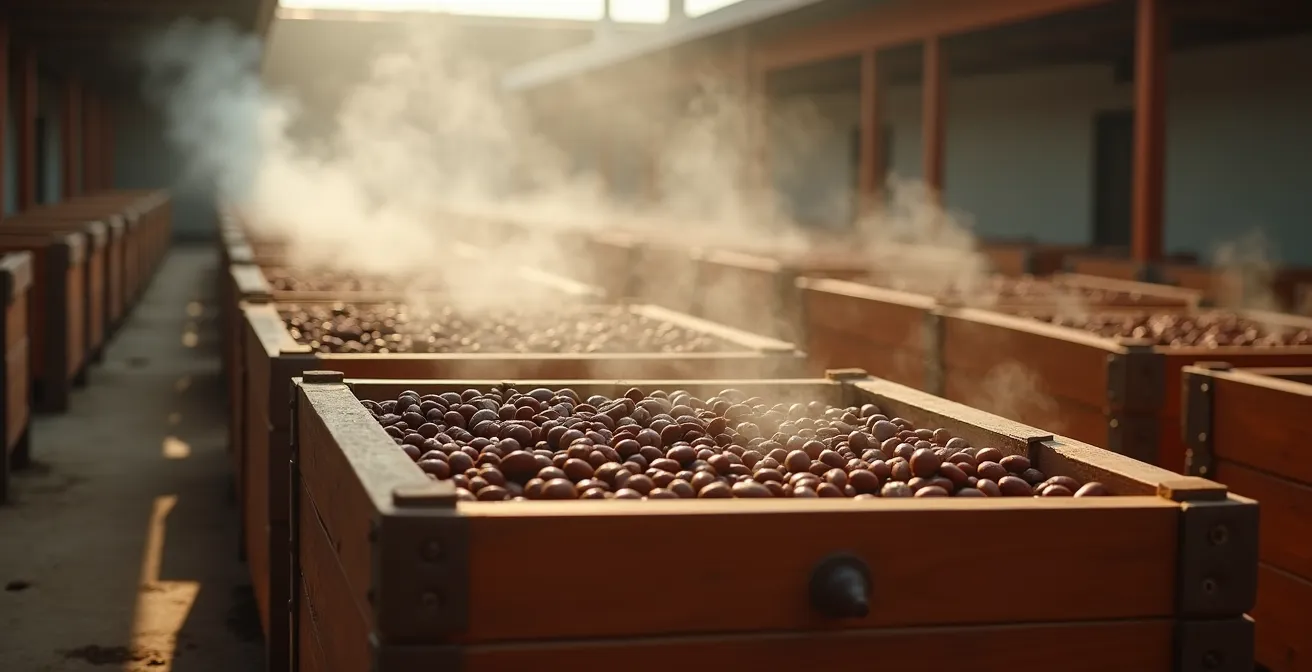
After fermentation, the beans are dried under the sun or in specialized dryers to reduce their moisture content and halt the fermentation process. The drying rate is another critical variable; too fast, and the beans become acidic and brittle; too slow, and they risk developing mold. Once dried, the beans are roasted, ground, conched, and finally tempered into the couverture you receive. Every one of these steps introduces nuance, creating the “inherent variability” that defines the final product.
How Does Volcanic Soil Change the Acidity of Cocoa Beans?
The concept of “terroir,” long associated with wine, is equally critical in understanding craft chocolate. The environment in which cacao is grown—the soil composition, altitude, and climate—directly shapes the chemical makeup of the bean. Volcanic soils, rich in specific minerals and with a unique pH, are a prime example of terroir-driven chemistry in action. These soils can profoundly influence the final acidity and flavor profile of the couverture you use in your lab.
Volcanic soils are often more acidic and contain different nutrient profiles than other soil types. These conditions affect how the cacao tree absorbs nutrients, which in turn influences the development of organic acids within the cocoa beans themselves. This is not just a romantic notion; it is a measurable scientific fact. The levels of specific acids are what a taster perceives as “bright,” “fruity,” or “winey” notes in the finished chocolate.
The science behind this connection is centered on the relationship between pH and titratable acidity. As one expert in cocoa quality parameters explains, the perceived acidity is a direct result of the concentration of specific organic compounds developed during growth and fermentation. This underscores how agricultural conditions create a chemical fingerprint in the bean long before it reaches the chocolatier.
The pH of cocoa beans is strongly related to titrable acidity. The organic acids responsible for cocoa bean acidity are mainly acetic and lactic acids.
– Dennis A. Adomako, Knowing Your Cocoa and Its Quality Parameters
Therefore, when you work with a chocolate from a volcanic region like parts of Central America or islands like Madagascar, you should anticipate a more pronounced, often complex acidity. Instead of seeing it as a problem to be corrected, you can leverage it as a signature flavor. Pairing it with complementary ingredients—like creamy, fatty components to balance the brightness or sweet, earthy elements to provide contrast—allows you to showcase the unique story of that volcanic terroir on the palate.
Key Takeaways
- Mastering bean-to-bar chocolate requires a mindset shift from enforcing consistency to managing inherent variability.
- The higher cost is a strategic investment in quality, storytelling, and a fast-growing premium market segment.
- The entire journey, from the soil’s chemistry to the fermentation process, creates the unique character and technical challenges of each batch.
How to Map the 4 Main Flavor Profiles of South American Cocoa?
With an understanding of the science and the story, the final step is practical application: mapping the flavors. South America, the cradle of cacao, offers a vast spectrum of profiles. As a chef, your ability to identify, categorize, and apply these profiles is what elevates your work from craft to artistry. While every estate is unique, we can generally group South American cocoa into four main flavor families. Learning to recognize them is your first step toward predictive pairing and recipe creation.
These profiles are not arbitrary; they are the result of specific genetics (like Criollo, Forastero, Trinitario), terroir (as discussed with volcanic soils), and post-harvest processing (fermentation and drying techniques). A high-acidity, red-fruit-dominant chocolate from Tanzania will behave differently and pair differently than a low-acidity, nutty one from Peru. Knowing this in advance saves you time, reduces waste, and leads to more sublime results.
This table offers a practical guide to the dominant profiles found in key South American regions and their ideal applications in a professional kitchen. Use it as a starting point for your own explorations.
| Profile | Origin Example | Characteristics | Best Applications |
|---|---|---|---|
| Nutty/Caramel | Peru 70% | Jammy dark berries, baking spices | Ganaches, mousses |
| Red Fruit/Winey | Tanzania 73% | Tart red berries, high acidity | Ganaches, avoid baking |
| Floral/Herbal | Nicaragua 72% | Lilies, coffee notes, low acidity | Low-temp preparations |
| Earthy/Fudgey | Brazil regions | Deep cocoa, low acidity | Baked goods, high heat |
To build this map for yourself, you must taste systematically. A professional tasting protocol is not about casual enjoyment; it’s about disciplined analysis. Follow these steps to deconstruct the flavors of any new chocolate that enters your kitchen:
- Allow a small piece to melt slowly on your tongue without chewing.
- Note the initial aroma before tasting by inhaling deeply.
- Identify the primary flavor profile that emerges in the first 10 seconds.
- Pay attention to the evolution of flavors from beginning, middle, to finish.
- Note the levels of bitterness, sweetness, and acidity.
- Document the texture, mouthfeel, and how quickly it melts.
Direct Relationship: How to Buy Couverture Without Middlemen?
The ultimate step in mastering bean-to-bar chocolate is to take full control of your supply chain by establishing a direct relationship with a chocolate maker or even a cacao cooperative. Bypassing middlemen not only offers potential cost advantages but, more importantly, provides unparalleled transparency and the ability to source couverture that is perfectly suited to your specific needs. This direct dialogue allows you to move beyond being a customer to becoming a partner.
However, this path requires a higher level of technical knowledge. When you speak directly to a maker, you need to speak their language. The conversation shifts from “do you have a 70% dark?” to “what is the particle size and conching duration of this batch?” This level of inquiry demonstrates your expertise and ensures you get a product with the exact performance characteristics you require. As Dandelion Chocolate notes, these relationships are a significant investment of time and effort, but they are the foundation of the craft chocolate movement.
Building these direct relationships is a long-term strategy that pays dividends in quality, consistency, and storytelling power. You gain access to micro-lots, custom formulations, and the kind of detailed information that allows you to perfect your craft. To facilitate this, you must be prepared to ask the right technical questions.
Your Action Plan: Essential Questions for Direct Sourcing
- Fermentation & Processing: Can you provide the fermentation details (e.g., aerobic vs. anaerobic, duration) and conching duration/temperature for this specific batch?
- Physical Properties: What is the measured particle size in microns and the exact fat percentage of this batch?
- Logistics & Volume: What are your minimum order quantities (MOQs) and typical delivery frequencies?
- Customization: Do you offer custom couverture development for specific applications or flavor profiles?
- Traceability: Can you provide the exact origin, farm, or cooperative, and the most recent harvest date for this cacao?