The world of chocolate
Chocolate is far more than a sweet indulgence—it’s a complex matrix of flavors shaped by geology, microbiology, craftsmanship, and ethics. From the volcanic soils where cacao trees grow to the precise temperature curves of a chocolate maker’s roaster, every step in chocolate’s journey influences what eventually melts on your tongue. Understanding this world means grasping how a fruit becomes a flavor, how traditions meet innovation, and how your choices as a consumer ripple back through entire ecosystems.
This comprehensive resource will guide you through the foundational knowledge that separates exceptional chocolate from the ordinary. Whether you’re curious about why some bars cost ten times more than others, how fermentation unlocks fruity notes, or what “bean-to-bar” actually means in a professional kitchen, you’ll find clear explanations grounded in science, ethics, and hands-on expertise. Consider this your gateway to appreciating chocolate with the depth it deserves.
From Bean to Bar: The Transformation Process
The journey from cacao pod to finished chocolate bar involves several critical stages, each requiring specific knowledge and skill. Two processes stand out as particularly influential in determining the final flavor profile: fermentation and roasting.
The Science of Fermentation
Fermentation is where chocolate’s flavor potential is born. When cacao beans are removed from their pods, they’re surrounded by a sweet, mucilaginous pulp. This pulp becomes the feeding ground for wild yeasts and bacteria that initiate a carefully orchestrated microbial dance. Over five to seven days, these microorganisms generate heat (reaching up to 50°C internally) and trigger chemical transformations that develop the precursors to chocolate’s characteristic flavors.
Different fermentation methods yield distinct aromatic profiles. Box fermentation, common in larger plantations, provides consistent temperature control. Heap fermentation, traditional in smaller operations, creates varied microclimates within the fermenting mass. The timing is critical—under-fermented beans retain harsh, astringent notes, while over-fermentation can produce off-flavors reminiscent of vinegar or rot. Each cacao variety has its own optimal fermentation window, much like different grape varieties require specific winemaking approaches.
Mastering the Roasting Profile
If fermentation creates flavor potential, roasting reveals it. This heat treatment volatilizes aromatic compounds locked within the bean’s cellular structure, developing the chocolate flavors we recognize. The choice between light roasting (typically 120-130°C for shorter periods) and dark roasting (135-150°C for extended times) fundamentally alters the final character.
Light roasts preserve delicate fruity and floral notes, particularly important for fine-flavor beans from exceptional terroirs. Dark roasts develop deeper, more robust chocolate flavors with caramelized and nutty overtones. The challenge lies in avoiding the burnt, acrid notes that emerge when roasting crosses the line from development to destruction. Equally crucial is the cooling phase—rapid cooling locks in the desired aromatic profile, while slow cooling allows continued chemical reactions that can muddy flavors.
The Geography of Flavor: Terroir and Cacao Varieties
Like wine grapes or coffee cherries, cacao beans express the distinctive characteristics of where they’re grown. The concept of terroir—the combined influence of soil, climate, altitude, and local biodiversity—creates recognizable flavor signatures in different cacao-producing regions.
How Geology Shapes Taste
The mineral composition of volcanic soils in Ecuador differs dramatically from the iron-rich laterite soils of Madagascar, and these differences manifest in the beans. Volcanic terroirs often produce cacao with bright, fruity acidity. Limestone-rich soils may contribute mineral, almost chalky undertones. The cacao tree’s root system essentially mines these geological characteristics, incorporating trace elements that subtly influence flavor development.
Major producing regions have developed distinct reputations: Venezuelan cacao often exhibits nutty, earthy complexity; Peruvian beans frequently show pronounced fruity notes; Madagascan cacao is prized for its red berry brightness. Climate plays an equally vital role—consistent rainfall patterns, temperature ranges, and seasonal variations all affect bean chemistry.
Rare Varieties and Strategic Hybrids
The rarest cacao in the world—varieties like Pure Nacional or certain wild Bolivian types—command extraordinary prices, sometimes exceeding $400 per kilogram for unprocessed beans. But the mythology surrounding “pure” genetics often obscures reality. Most celebrated cacao varieties are themselves ancient hybrids, and genetic purity matters less than flavor expression and agricultural viability.
Modern breeding programs focus on creating hybrids that balance disease resistance and productivity with flavor complexity. These varieties aren’t compromises—they represent careful selection to preserve aromatic potential while ensuring farmers can actually cultivate them sustainably. The challenge lies in proper identification and optimized post-harvest handling, as even exceptional genetics can be ruined by poor fermentation or drying practices.
Artisanal Excellence vs Industrial Production
The distinction between artisanal and industrial chocolate isn’t merely about scale—it reflects fundamentally different philosophies about quality, processing, and transparency. Understanding these differences empowers you to make informed choices aligned with your values and palate.
Artisanal chocolate makers typically work with single-origin beans from traceable sources, controlling every step from bean selection through final formulation. This hands-on approach preserves the unique flavor characteristics of specific cacao lots. Industrial production, by contrast, relies on blending beans from multiple origins to achieve consistent flavor profiles year-round, often prioritizing uniformity over distinctiveness.
The aromatic complexity differs markedly. Small-batch production can preserve delicate volatile compounds that dissipate during the high-heat, high-speed processing common in industrial facilities. However, pseudo-artisanal marketing has muddied these waters. Terms like “premium” or “gourmet” lack legal definition. Look instead for specific indicators:
- Transparent sourcing information listing origin farms or cooperatives
- Minimal ingredient lists without unnecessary emulsifiers or vanillin
- Production methods described in detail (stone grinding, vintage equipment, small batch sizes)
- Direct relationships with cacao farmers, often with premium pricing evidence
Proper conservation also distinguishes quality chocolate. Store bars in cool (16-18°C), dark, low-humidity environments, away from strong odors. Chocolate readily absorbs surrounding aromas—storing it near coffee or spices will compromise its intended flavor profile.
Ethics and Sustainability in Cacao Sourcing
The chocolate industry carries a complex ethical legacy involving deforestation, labor exploitation, and economic inequity. Understanding sustainability in cacao sourcing means looking beyond marketing claims to examine actual practices and their measurable impacts.
The Price-Ethics Connection
There’s a direct correlation between what you pay for chocolate and what farmers receive for their cacao. When a chocolate bar costs under a certain threshold, the economic mathematics simply don’t support fair farmer compensation. Cacao farmers in West Africa—where most of the world’s cacao originates—often earn below poverty-level incomes. Premium chocolate that costs significantly more typically reflects direct trade relationships where farmers receive multiples of commodity market prices.
This premium isn’t mere charity—it enables investments in fermentation infrastructure, quality improvement, and agricultural practices that enhance both flavor and environmental sustainability. It creates economic incentives for farmers to maintain cacao agroforestry systems rather than converting land to more profitable but environmentally destructive crops.
Evaluating Certification Labels
Multiple certification systems claim to verify ethical and environmental standards: Fair Trade, Rainforest Alliance, UTZ, and organic certifications each operate under different criteria. Fair Trade emphasizes minimum pricing and community development premiums. Rainforest Alliance focuses on environmental practices and biodiversity. Organic certification addresses chemical inputs but doesn’t necessarily guarantee fair labor practices.
No single label guarantees perfection. The most reliable approach combines certification with transparency—chocolate makers who share specific farm partnerships, visit their suppliers, and document their supply chains demonstrate accountability beyond what any third-party seal alone can verify. Supporting agroforestry systems, where cacao grows beneath native forest canopy alongside other crops, directly combats deforestation while preserving biodiversity and soil health.
The Technical Science of Chocolate
For professional pastry chefs and serious home chocolatiers, understanding chocolate’s physical and chemical properties transforms it from an ingredient into a precision tool. Two aspects prove particularly crucial: cocoa butter behavior and fat crystallization.
Pure cocoa butter exhibits a melting point range of 32-35°C—just below human body temperature, which explains chocolate’s signature mouth-melting quality. This fat exists in six different crystalline forms, but only Form V creates the desirable properties: glossy appearance, satisfying snap, and stable shelf life. The tempering process manipulates temperature to encourage Form V crystal formation while discouraging other forms.
Professional applications extend beyond bars and bonbons. Cocoa butter can be:
- Colored with fat-soluble dyes for decorative spray applications
- Used to waterproof tart shells before filling, preventing sogginess
- Employed as a high-quality fat replacement in certain pastry applications
- Applied as Mycryo (crystallized cocoa butter powder) to quickly temper chocolate or adjust texture
Understanding fat bloom—that whitish surface haze on improperly stored chocolate—helps prevent it. This occurs when temperature fluctuations cause fat crystals to migrate and recrystallize on the surface. It’s aesthetically undesirable but doesn’t indicate spoilage. Proper storage at stable temperatures prevents this phenomenon.
Preserving and Enhancing Chocolate’s Aromatic Complexity
Chocolate contains over 600 identified aromatic compounds—more than most wines. These volatile molecules create the complex sensory experience we perceive as “chocolate flavor.” Professional applications require understanding how to protect these fragile compounds and how to pair them strategically with complementary flavors.
Heat poses the primary threat to aromatic preservation. Extended exposure to temperatures above 50°C begins degrading delicate volatiles. When incorporating chocolate into baked goods, add it at the last possible moment or use techniques like encapsulation, where chocolate pieces are coated with heat-stable fats that delay melting and aroma volatilization.
Oxidation represents another enemy. Exposure to oxygen gradually degrades aromatic compounds, which is why whole beans or larger pieces maintain their aromatic intensity longer than finely ground cocoa powder. Store opened chocolate in airtight containers, minimizing headspace.
The concept of molecular pairing—matching ingredients that share key aromatic compounds—opens sophisticated flavor possibilities. Chocolate’s abundant pyrazines connect it naturally with roasted nuts, coffee, and certain aged cheeses. Its fruity esters harmonize with berries, stone fruits, and citrus. Its phenolic compounds create bridges to red wine, black tea, and smoked ingredients. These aren’t arbitrary combinations but rather scientifically supported synergies.
Beyond Dark Chocolate: The Rise of Premium Milk Chocolate
Milk chocolate has long suffered from an image problem among serious chocolate enthusiasts, dismissed as inferior or overly sweet. The emergence of “Dark Milk” chocolate challenges these prejudices, demonstrating that milk chocolate can achieve the complexity and sophistication traditionally associated only with dark chocolate.
The defining characteristic is increased cacao percentage—typically 45-65% compared to conventional milk chocolate’s 30-40%. This higher cacao content allows the chocolate’s inherent flavors to shine through while milk components add creamy texture and subtle caramelized notes from the Maillard reactions between milk proteins and sugars during processing.
The caramelization of milk solids during conching (prolonged mixing and aeration) creates unique flavor compounds absent in dark chocolate: buttery diacetyl, caramel-like furanones, and malty aldehydes. These contribute a different dimension of complexity rather than mere sweetness.
Professional applications for premium milk chocolate extend beyond traditional uses. Its creamy texture and balanced sweetness make it surprisingly compatible with aged cheeses—the salt and umami notes in aged Gouda or Manchego create compelling contrasts. In cooking, milk chocolate’s lower melting point and inherent sweetness reduce the need for added sugar in certain applications, allowing chocolate flavor to dominate while maintaining proper texture.
As your understanding of chocolate deepens, you’ll discover that complexity exists across the entire spectrum—from ultra-dark single-origin bars to thoughtfully crafted milk chocolates. The key lies in seeking producers who prioritize quality at every stage, from farmer partnerships through final formulation.
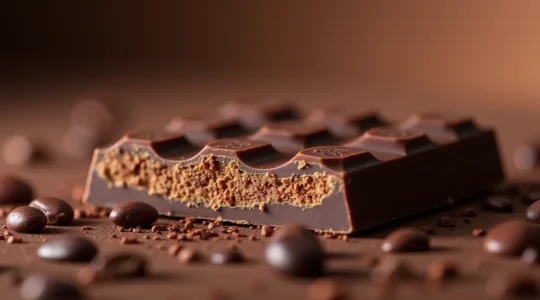
Why “Dark Milk” Chocolate Is the New Trend for Connoisseurs?
Dismissing milk chocolate is a connoisseur’s biggest mistake, and the rise of ‘dark milk’ is the proof. This category isn’t about adding sweetness, but about using milk solids for sophisticated “flavor modulation” via complex chemistry like the Maillard reaction, creating…
Read more
The Chemist’s Guide: Why Heat Erases Your Chocolate’s Fruity Notes
Many believe ‘low heat’ is the secret to great chocolate. The reality is far more precise: preserving flavor is about managing the vapor pressure of hundreds of volatile compounds. It’s not about temperature alone, but a delicate chemical equilibrium you…
Read more
Why Does Bean-to-Bar Couverture Require Different Tempering Curves?
For chefs moving from industrial to artisanal chocolate, inconsistent results are a common frustration. The solution isn’t a new temperature chart, but a new philosophy. This guide reveals that the key to mastering bean-to-bar couverture lies in understanding and controlling…
Read more
Why Does Cocoa Butter Polymorphism Matter for Mouthfeel?
The sensory experience of chocolate is not an art but a direct consequence of materials science. The specific polymorphic crystal form of cocoa butter—achieved through tempering—dictates the precise melting curve, structural integrity (snap), and resistance to fat bloom. Understanding the…
Read more
How to Use Cocoa Butter to Thin Chocolate for Spraying?
Achieving a flawless spray finish is a science of fluid dynamics and controlled crystallization, not culinary guesswork. The key is managing cocoa butter’s viscosity and polymorphic state through precise temperature control. A stable Form V crystal structure is non-negotiable for…
Read more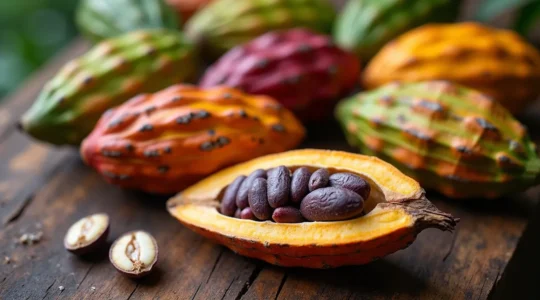
Why Trinitario Is the Ultimate Bean for Craft Chocolate Makers
Trinitario isn’t just a compromise bean; it’s a dynamic genetic toolbox offering the perfect strategic start for a craft chocolatier. It combines the desirable, complex flavors of Criollo with the robust, disease-resistant nature of Forastero. Its inherent variability allows makers…
Read more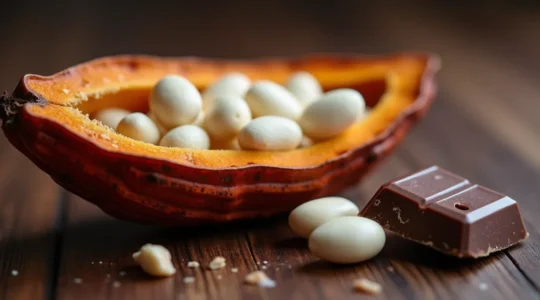
Why Are Pure Criollo Beans Considered the “Prince of Cocoas”?
Criollo cacao’s mythical status isn’t marketing; it’s a direct consequence of an ancient genetic blueprint that dictates both its unparalleled flavor and its extreme agricultural fragility. Its unique, low-tannin genetics create a naturally creamy and sweet profile, devoid of the…
Read more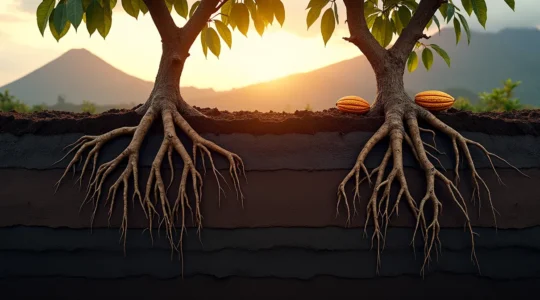
How Does Volcanic Soil Change the Acidity of Cocoa Beans?
The unique acidity and flavor of volcanic cocoa is a direct, predictable chemical result of the soil’s specific mineral composition and pH, which acts as a master switch during fermentation. Soil pH is the gatekeeper, determining whether crucial minerals like…
Read more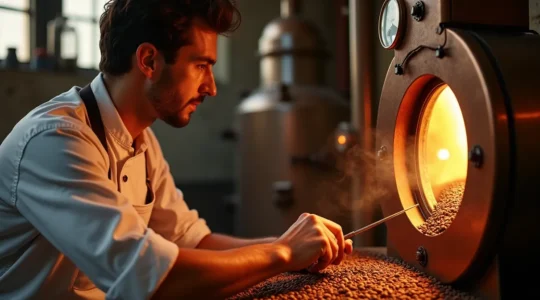
How Does Roasting Temperature Define the Final Chocolate Note?
Mastering chocolate flavor is an act of precise chemical intervention, where roasting temperature serves not just to heat, but to selectively subtract, preserve, and transform the flavor precursors established during fermentation. High temperatures (above 130°C) cause the volatilization of delicate…
Read more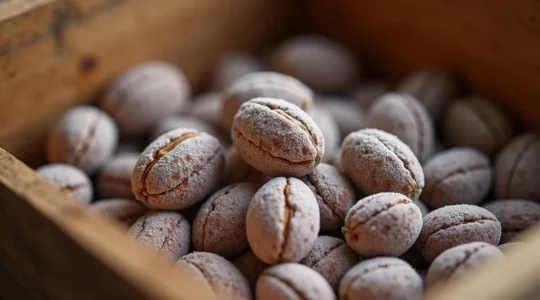
Why Fermentation Is the Most Critical Step for Flavor Development?
The ultimate flavor of chocolate is not born from the bean or the roast, but forged in a chaotic, 6-day microbial war during fermentation. Wild yeasts and bacteria, unique to each farm’s “microbial terroir,” create the essential flavor precursors that…
Read more