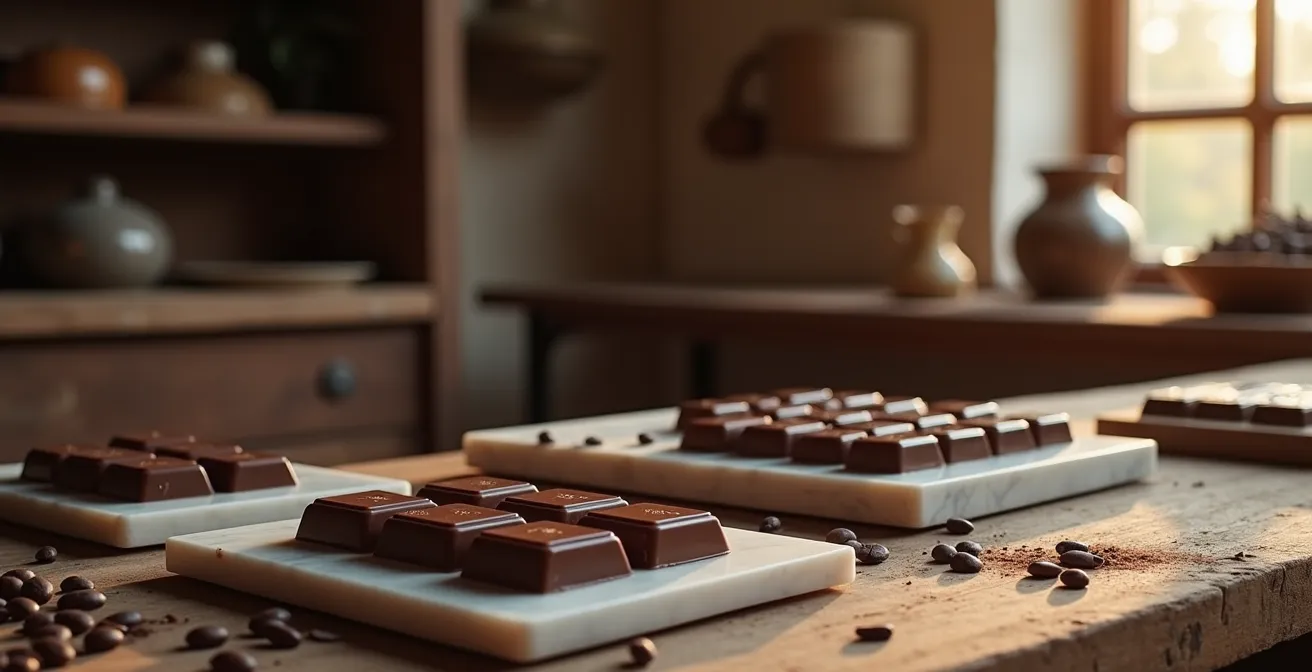
The high price of craft chocolate is a direct investment in flavor complexity, a quality that industrial production is engineered to eliminate.
- Artisanal methods preserve hundreds of natural flavor compounds, while mass-market processes strip them away for consistency.
- Terms like “bean-to-bar” signify full control over flavor development, unlike “chocolatiers” who often just remelt industrial chocolate.
Recommendation: Learn to read labels for origin and ingredients, not just marketing buzzwords, to ensure you’re paying for genuine quality, not just a fancy wrapper.
You’ve seen it in a gourmet shop or a farmers’ market: a single, beautifully wrapped chocolate bar priced at $10, $12, or even more. Next to it, a familiar candy bar from the supermarket checkout aisle seems like a bargain. The immediate question is, why the staggering difference? Most people assume the answer lies in simple, almost cliché explanations like “better ingredients” or the fact that it’s “handmade.” While not entirely untrue, these reasons barely scratch the surface of a much deeper and more fascinating reality.
The truth is, an artisanal chocolate bar and an industrial one are fundamentally different products, engineered with opposing goals. The premium price you pay for craft chocolate is not a markup for a quaint story; it’s the cost of a meticulous, time-consuming process designed to protect and develop a symphony of over 600 volatile flavor compounds naturally present in the cacao bean. Industrial methods, optimized for speed, consistency, and a long shelf life, are designed to mute or even eradicate this complexity.
This article will pull back the curtain on the world of fine chocolate. We will explore the science behind its flavor, decode the often-misleading language on its labels, and understand the critical differences in production. By the end, you won’t just understand the price—you’ll be equipped to appreciate the value and taste the profound difference in every square.
To guide you through this exploration of taste and value, we have structured this analysis to cover every facet of what makes artisanal chocolate a world apart. Here is a look at the journey we will embark on together.
In this analysis: The True Value of Craft Chocolate
- Why Mass-Market Chocolate Lacks the 600+ Flavor Compounds of Artisan Bars?
- How to Spot Truly “Artisanal” Processes on a Label in 5 Seconds?
- Dark Chocolate vs. Candy Bars: Which One Actually Satisfies Cravings Faster?
- The “Handmade” Trap: 3 Marketing Lies That Fool 80% of Buyers
- How to Store Fine Chocolate at Home Without Losing 30% of Flavor?
- How to Identify the 3 Primary Aromatic Families in Fine Chocolate?
- How Does Choosing Sustainable Chocolate Impact Farmers’ Lives in 2024?
- How to Identify the 3 Primary Aromatic Families in Fine Chocolate?
Why Mass-Market Chocolate Lacks the 600+ Flavor Compounds of Artisan Bars?
The core difference between a $2 candy bar and a $12 craft chocolate bar isn’t just the quality of ingredients, but the philosophy of flavor itself. Industrial chocolate aims for uniformity—a predictable, singular “chocolatey” taste, batch after batch. Artisanal chocolate, however, seeks to express a specific terroir, celebrating the unique, complex, and sometimes surprising notes of a particular cacao bean from a particular place.
This flavor journey begins at the farm. The fermentation and drying of cacao beans are arguably the most critical steps, and studies suggest that over 70% of a chocolate’s flavor potential is determined right here. Artisan makers often work directly with farmers to perfect these stages. Industrial producers, however, buy bulk, often over-fermented or poorly dried beans, then use high-heat roasting to mask defects, which also destroys delicate flavor nuances.
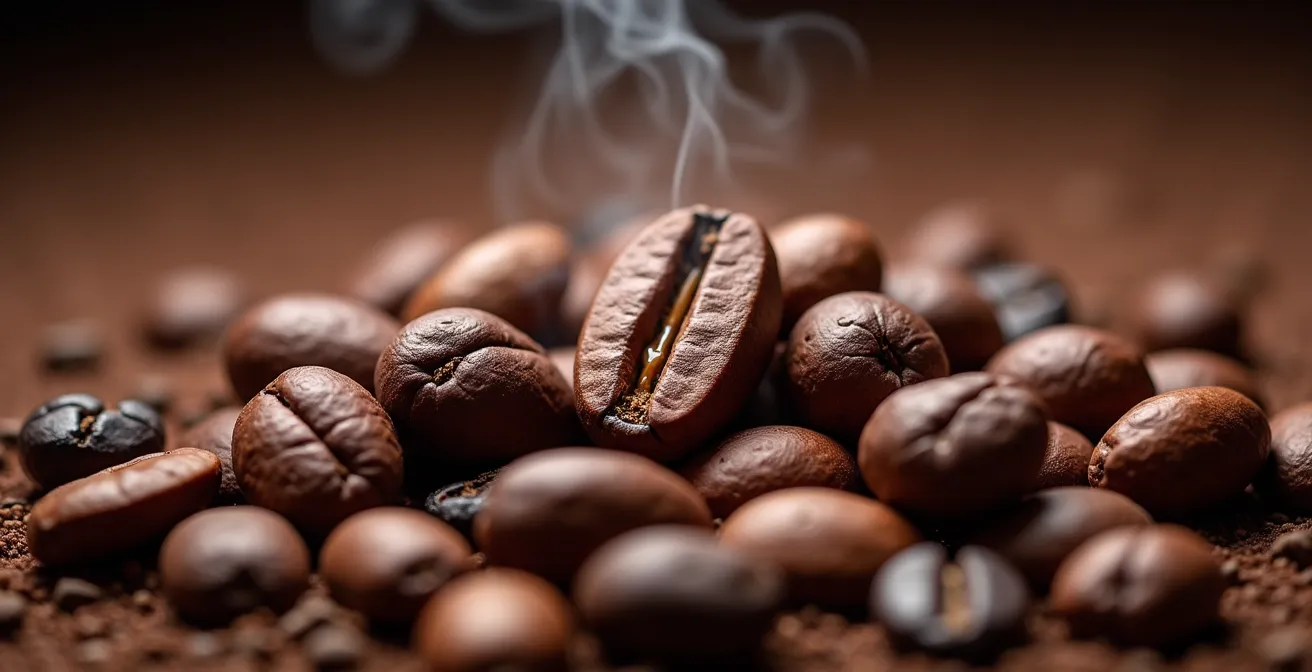
The next crucial stage is conching. This is a process of grinding and aerating liquid chocolate to develop flavor and texture. As expert John Nanci of Chocolate Alchemy explains, an extended conching time is vital. He notes that the artisanal process can involve 48 to 72 hours of conching, allowing unpleasant volatile acids to evaporate and complex flavors to blossom. In contrast, industrial methods are often rushed to just a few hours, trapping harsh notes and failing to develop the deep, layered profile that defines fine chocolate.
How to Spot Truly “Artisanal” Processes on a Label in 5 Seconds?
In a market flooded with buzzwords like “gourmet,” “premium,” and “handmade,” the label is your most reliable tool for uncovering the truth. A truly artisanal, bean-to-bar chocolate maker is proud of their process and sourcing, and they provide clues for you to follow. You don’t need to be an expert to become a savvy reader of chocolate labels; you just need to know where to look.
The most significant indicator of quality is the ingredients list. It should be short and specific. Look for “cacao beans” or “cacao” listed first, followed by sugar. If sugar is the first ingredient, you are holding a candy bar, not fine chocolate. Similarly, terms like “cocoa mass” or “chocolate liquor” can sometimes indicate the use of pre-processed industrial material rather than starting from the bean itself.
This transparency is a hallmark of the craft movement, born partly as a reaction to misleading marketing. For example, the infamous Mast Brothers controversy, where a brand celebrated for its bean-to-bar ethos was exposed for using remelted commercial chocolate, highlighted the importance of consumer vigilance. Learning to spot these key indicators empowers you to support genuine artisans.
Your 5-Second Label Audit: Verifying True Craft Chocolate
- Check Origin Specificity: Look for a specific region, cooperative, or single estate (e.g., ‘Hacienda El Castillo, Ecuador’) instead of a generic country name.
- Verify Ingredient Order: A true artisanal bar will list ‘Cacao Beans’ or ‘Cacao’ first. If ‘Sugar’ is first, it’s not fine chocolate.
- Cross-reference Cacao Percentage: A 70% bar with just two ingredients (cacao, sugar) is a purer expression than a 70% bar with added vanilla, lecithin, and extra cocoa butter.
- Identify Bean-to-Bar Language: Seek out explicit terms like “bean-to-bar,” “craft chocolate,” or “small batch” which signal control over the entire process.
- Look for Sourcing Claims: The mention of “direct trade” or specific farm partnerships indicates a closer, more ethical relationship with growers.
Dark Chocolate vs. Candy Bars: Which One Actually Satisfies Cravings Faster?
A common misconception is that a craving for “chocolate” can be satisfied by any product bearing the name. However, the way our brains and bodies respond to a high-cacao artisanal bar versus a mass-market candy bar is profoundly different. The secret lies in the distinction between genuine satisfaction and the engineered “bliss point.”
Industrial candy bars are meticulously designed to hit a “bliss point”—a precise combination of sugar, fat, and salt that is intensely pleasurable but ultimately unsatisfying, encouraging you to eat more. They deliver a quick, intense hit of sweetness that triggers a rapid spike and subsequent crash in blood sugar, often leading to another craving shortly after.
Fine dark chocolate works on a completely different principle. Its power to satisfy comes from its complexity, not just its sweetness. As educational resources from Bean to Bar World note, the sheer “chocolate flavor complexity and intensity satisfy the brain with a much smaller quantity.” The rich array of hundreds of aromatic compounds, combined with the bitter notes from polyphenols and the slow-melting texture of pure cocoa butter, provides a multi-sensory experience. This complexity signals satiety to the brain more effectively. A small square of 75% single-origin chocolate can quell a craving far more decisively than an entire king-size candy bar, leaving you feeling gratified rather than wanting more.
The “Handmade” Trap: 3 Marketing Lies That Fool 80% of Buyers
One of the most pervasive and misleading terms in the world of chocolate is “handmade.” It conjures images of a passionate artisan carefully crafting every bar from scratch. While that’s sometimes true, the term is often used by businesses that perform only the final, simplest step of the process. To truly understand what you’re buying, you must learn the critical difference between a chocolate maker and a chocolatier.
A chocolate maker is an artisan who transforms raw cacao beans into finished chocolate bars. They control the entire process: sourcing, sorting, roasting, grinding, conching, and tempering. They are the true “bean-to-bar” creators. A chocolatier, on the other hand, typically starts with pre-made chocolate, known as couverture, which they buy in bulk from large industrial manufacturers. Their craft lies in melting this couverture and using it to create confections like truffles, bonbons, and pralines. While this is a skilled art form in itself, it is not chocolate *making*. They are assembling, not creating from the source.
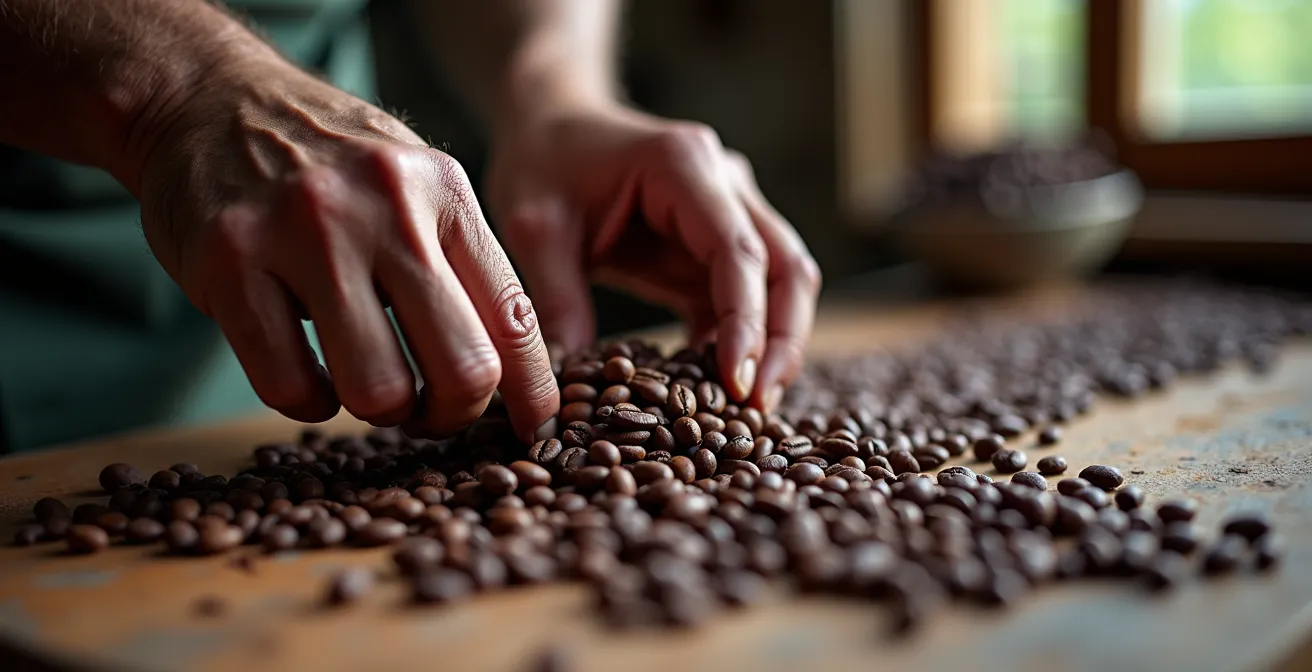
The confusion between these two roles is a marketing goldmine. A chocolatier can label their bonbons “handmade” because they did, in fact, hand-fill the molds. However, the chocolate itself might be a generic industrial product. This distinction is not just semantic; it’s the difference between full control over flavor and simply being a final assembler, as a comparative analysis of the two roles shows.
| Aspect | Chocolatier | Chocolate Maker |
|---|---|---|
| Starting Material | Pre-made chocolate (couverture) | Raw cacao beans |
| Process | Melts and remolds chocolate | Complete bean-to-bar production |
| Control Level | Limited to mixing and tempering | Full control from fermentation to bar |
| Typical Products | Truffles, bonbons, pralines | Single-origin chocolate bars |
| Time Investment | Hours to days | Weeks to months per batch |
How to Store Fine Chocolate at Home Without Losing 30% of Flavor?
You’ve finally purchased a beautiful, expensive bar of single-origin chocolate. The worst thing you can do is toss it in the refrigerator next to the onions or leave it on a sunny countertop. Fine chocolate is a delicate, living product, and improper storage can quickly destroy its complex flavor profile. The primary enemies of chocolate are heat, humidity, light, and strong odors.
Chocolate is highly porous and acts like a sponge for aromas. Storing it near coffee, spices, or other strong-smelling foods will result in a phenomenon called “flavor scalping,” where the chocolate absorbs these external scents, masking its own delicate notes. To prevent this, an airtight container is non-negotiable. Temperature is equally critical. The ideal range is between 60-65°F (15-18°C), which is cooler than most rooms but warmer than a refrigerator. Fluctuations in temperature can cause “fat bloom,” a harmless but unappealing white film that dulls the flavor.
Humidity is another major threat. High humidity can lead to “sugar bloom,” where moisture dissolves sugar on the surface, leaving a gritty, grainy texture when it recrystallizes. This damage is irreversible. For serious collectors, a wine cooler set to the correct temperature is the gold standard for creating a stable environment. For the rest of us, a cool, dark pantry or cabinet, with the chocolate sealed in an airtight container, is the best defense against losing the nuanced flavors you paid a premium to enjoy.
- Store in an airtight container to prevent absorbing external odors.
- Maintain a stable temperature between 60-65°F (15-18°C).
- Keep humidity below 50% to avoid irreversible sugar bloom.
- For extra protection, wrap the bar in aluminum foil before placing it in the container.
- Never store chocolate near strong odors like cheese, onions, or spices.
How to Identify the 3 Primary Aromatic Families in Fine Chocolate?
Tasting fine chocolate is an active, mindful process, much like tasting fine wine or coffee. To simply chew and swallow is to miss the entire point. The goal is to allow the chocolate to melt slowly in your mouth, releasing its volatile compounds in a sequence that tells the story of its origin and craftsmanship. A useful method for this is the “Tasting Wave” framework, which breaks the experience into three distinct phases.
First, prepare your palate. Ensure the chocolate is at room temperature for optimal flavor release. Have a glass of water and some unsalted crackers or a slice of green apple nearby to cleanse your palate between different chocolates. Break off a small piece and listen for a sharp, clean snap—a sign of good tempering. Instead of chewing, place it on your tongue and let it begin to melt.
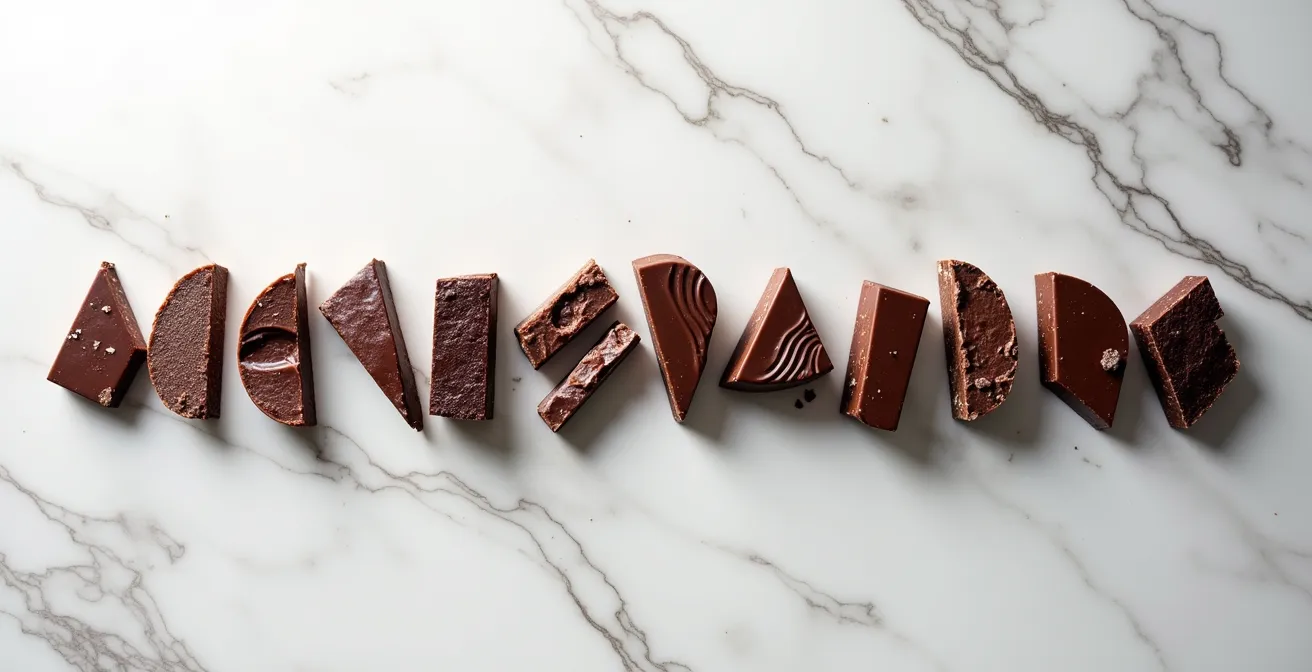
As the chocolate melts, pay attention to the waves of flavor. This structured approach helps you identify the different aromatic families present in the bar.
- Primary Wave (Immediate Impact): As soon as the chocolate begins to melt, you’ll perceive the most volatile, high-note aromas. These are often fruity (raspberry, citrus, banana) or floral (jasmine, orange blossom).
- Secondary Wave (As it Melts): As the cocoa butter fully liquefies, the mid-notes emerge. These are the flavors developed during roasting, such as nutty (almond, macadamia), caramel, or coffee notes.
- Tertiary Wave (The Finish): The final, lingering flavors make up the finish. These are the deep, base notes, which can be earthy, woody, spicy (tobacco, leather, black pepper), or purely chocolatey. A long, pleasant finish is a hallmark of high-quality chocolate.
How Does Choosing Sustainable Chocolate Impact Farmers’ Lives in 2024?
The price of artisanal chocolate doesn’t just reflect a superior sensory experience; it often represents a more equitable and sustainable supply chain. The conventional cacao industry is notoriously plagued by issues like poverty-level wages for farmers, child labor, and environmentally destructive farming practices. The craft chocolate movement, by its very nature, seeks to create a more direct and transparent connection between the grower and the consumer.
Many artisanal makers operate on a “direct trade” model. Instead of buying anonymous beans on the commodity market, they build personal relationships with specific farmers or cooperatives. This has a profound, multi-faceted impact. As the team at Cococlectic, a craft chocolate curator, highlights, this model fosters a partnership rather than a simple transaction.
Direct trade relationships allow farmers to receive higher payments, invest long-term and receive fair treatment for their hard work and quality offerings.
– Cococlectic, Bean-to-Bar Chocolate Maker Profiles
This higher price incentivizes farmers to focus on quality over quantity and to adopt sustainable agricultural practices. For instance, some makers champion agroforestry, where cacao trees are grown alongside other crops and native forest trees. This method improves soil health, conserves water, and supports biodiversity. By choosing a bar from a maker who values and advertises these relationships, you are casting a vote for an economic system that respects both people and the planet. Your purchase becomes an investment in the long-term viability of high-quality cacao and the well-being of the communities who grow it.
Key Takeaways
- The price of craft chocolate is an investment in flavor complexity, derived from meticulous fermentation, roasting, and conching processes that industrial methods skip.
- The distinction between a “chocolate maker” (who works from the bean) and a “chocolatier” (who remelts pre-made chocolate) is the single most important factor in identifying true craft quality.
- Protecting your investment is crucial: storing chocolate in a cool, dark, airtight container away from strong odors is non-negotiable to prevent flavor loss.
How to Identify the 3 Primary Aromatic Families in Fine Chocolate?
While we’ve learned how to taste for aromatic families, understanding *where* they come from deepens our appreciation for the chocolate maker’s art. These flavors aren’t artificial additions; they are latent potentials within the bean, unlocked at different stages of the bean-to-bar process. Each step is an opportunity to either cultivate or destroy these precious notes.
The fruity and floral notes, our Primary Wave, are born primarily during fermentation. The specific yeasts and bacteria present in the environment of the farm—the terroir—interact with the pulp surrounding the beans, creating the precursors to these bright, acidic flavors. A carefully controlled, slow fermentation allows these delicate notes to develop. If rushed or done improperly, they are lost forever, replaced by harsh, acidic flavors.
The Secondary Wave of nutty, caramel, and coffee notes is almost entirely the result of the roasting process. This is where the chocolate maker truly becomes a chef. A low, slow roast might preserve the delicate floral notes of a rare Madagascan bean, while a slightly higher or longer roast could develop the rich, nutty character of a bean from Ecuador. This is a delicate balancing act; too much heat will obliterate the primary notes and create a generic, burnt taste. Finally, the Tertiary Wave of earthy, woody, and spicy notes is a combination of the bean’s inherent terroir and the final stages of conching, where oxidation can round out flavors and develop these deep, lingering base tones.
Armed with this knowledge, your next chocolate purchase is no longer a guess, but a deliberate choice for quality, flavor, and ethics. Start exploring the world of single-origin bars today and taste the profound difference for yourself. It is a journey of discovery that rewards the curious palate.
Frequently Asked Questions About Fine Chocolate
What’s the difference between fat bloom and sugar bloom?
Fat bloom, which appears as white or greyish streaks, is caused by temperature fluctuations that make the cocoa butter separate and rise to the surface. It is visually unappealing but is harmless and can be reversed by remelting the chocolate. Sugar bloom is caused by high humidity, which dissolves sugar on the surface and creates a gritty, spotty texture when it dries. This is irreversible and negatively impacts the chocolate’s texture.
Can I store chocolate in the refrigerator?
Storing chocolate in the refrigerator should be a last resort, reserved for extreme heatwaves. The cold temperature can dull its flavor, and the high humidity is a major risk for sugar bloom. If you must refrigerate it, wrap it multiple times in plastic wrap and place it in an airtight container. Before eating, allow the fully wrapped chocolate to come to room temperature for several hours before unwrapping. This prevents condensation from forming on the cold surface, which would cause sugar bloom.
How long does properly stored fine chocolate last?
When stored correctly in a cool, dark, and dry place, fine chocolate has a surprisingly long shelf life. Dark chocolate, thanks to its high antioxidant content, can last for two years or even longer. Milk chocolate, which contains dairy solids, has a shorter lifespan of about one year. White chocolate, which contains no cacao solids but has a high amount of dairy and cocoa butter, is the most delicate and should be consumed within six to eight months for the best flavor.